


Most construction leaders audit financial performance, review safety results, and closely track project costs. But construction company culture, the force behind many of those outcomes, often gets less disciplined attention. That matters because culture issues usually surface first in day-to-day behavior: safety shortcuts, silence about problems, avoidable rework, inconsistent supervision, and rising frustration in the field.
In plain terms, organizational culture is how work really gets done. It shows up in how foremen handle near misses, whether safety expectations hold when schedules tighten, and what happens when someone raises a concern on a jobsite in Philadelphia, the Lehigh Valley, or Northeast Pennsylvania. This article gives Eastern Pennsylvania contractors a practical way to decide whether they need a culture audit now, what to examine, and how to act on what they find. Think of it as applying the same discipline you already bring to safety audits and project reviews, but aimed at leadership, communication, and accountability.
A recent Construction Executive article raised this exact question for contractors: whether company culture needs an audit rather than the assumption that everything is fine. For ABC Eastern Pennsylvania members, that is a timely management issue, not a soft one. In a competitive merit shop market, weak culture can quietly damage safety performance, retention, coordination, and credibility long before it shows up in a formal report.
Company culture in construction is not a poster in the break trailer or a slogan on your website. It is the sum of repeated leadership behavior, communication patterns, expectations, and consequences that shape the employee experience from apprenticeship through senior management.
Culture shows up in concrete ways. For example, it shows up in how a superintendent on a hypothetical I-78 warehouse project handles a late delivery, whether a foreman on a hypothetical Center City renovation enforces fall protection during overtime, and how change information gets explained to crews in the field. The distinction between formal culture and informal culture matters. Formal culture is your handbook, safety manual, and training curriculum. Informal culture is what actually happens when pressure rises.
If mistakes become learning moments, concerns move upward without retaliation, and crews trust that standards apply equally to everyone, the culture is probably helping the business. If crews stay quiet, supervisors send mixed messages, or production pressure overrides stated values, the culture may be creating hidden liabilities.
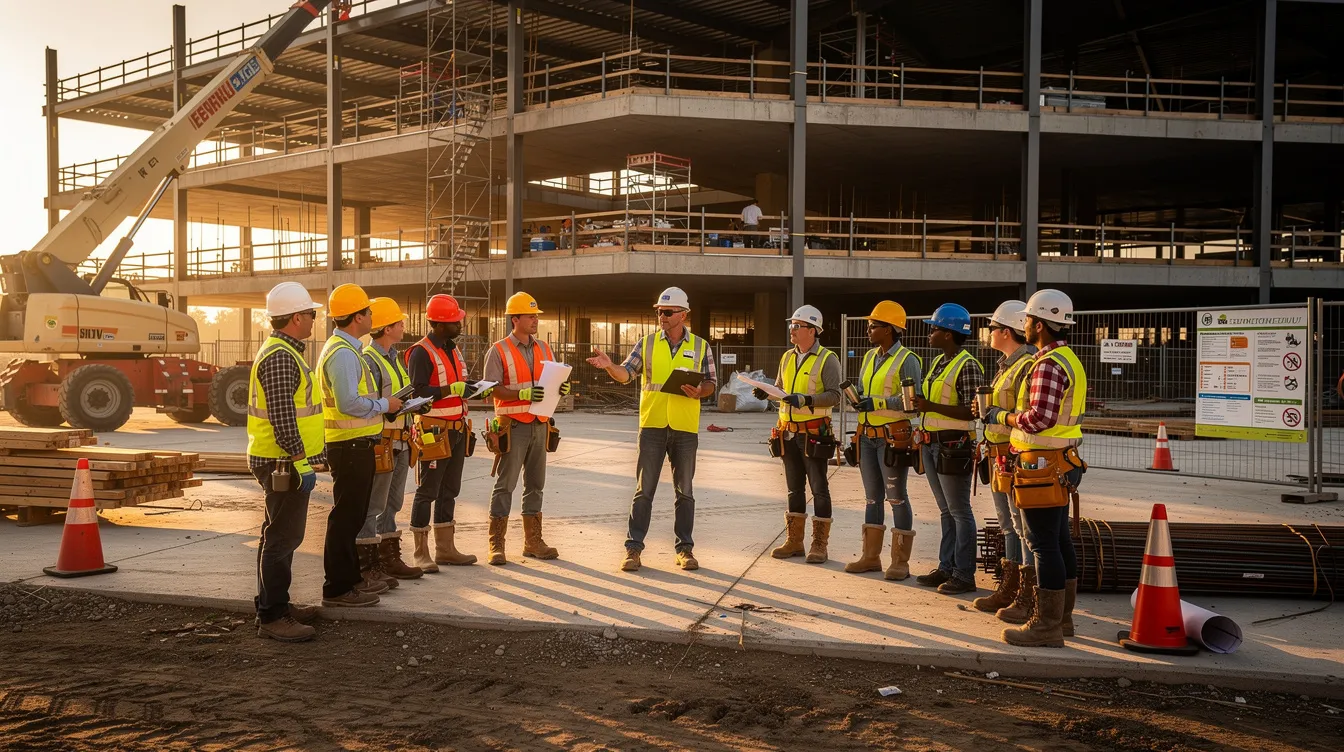
A culture audit is a structured review of how leadership habits, safety expectations, communication, and accountability are actually working across the organization, not just how they are described on paper. It looks at lived behavior on projects, especially under schedule pressure, conflict, or cost stress.
What a culture audit is not:
In that October 16, 2026 Construction Executive article, culture audits were presented as a way to help reveal hidden liabilities, staff tension, and warning signs that leadership may not see from formal reporting alone. That is why the idea matters in construction. Contractors already audit finances, safety programs, and quality systems. A culture audit applies similar discipline to the leadership and behavioral patterns that influence all three.
You do not need a formal crisis to justify an audit. In many companies, the better trigger is a pattern of smaller problems that keep repeating.
Safety warning signs:
Workforce and retention warning signs:
Accountability and communication warning signs:
Psychological safety warning signs:
Any one issue might be situational. A recurring pattern across projects or teams is different. That is often when a culture audit becomes a management tool rather than an overreaction.
Safety culture is one of the clearest windows into broader company culture. OSHA’s recommended practices for construction safety and health programs emphasize management leadership, worker participation, hazard identification and assessment, hazard prevention and control, and education and training. Those are not just compliance categories. They signal how a company operates when the work gets hard.
On a strong jobsite, supervisors lead by example, expectations are clear, workers report concerns without fear, and follow-through happens after issues are raised. On a weak jobsite, orientations are rushed, enforcement is uneven, bad news gets filtered, and crews receive mixed messages about whether safety truly carries the same weight as schedule and production.
OSHA frames this plainly: a safe workplace is sound business. That matters because the same habits that support stronger safety performance, visible leadership, consistent communication, worker participation, and program improvement also reveal whether a contractor’s broader culture is healthy.
For Eastern Pennsylvania contractors, ABC’s STEP program already reinforces an audit mindset. ABC Eastern Pennsylvania describes STEP as a contractor-written system that includes a 20-point guide for starting, updating, or auditing a company-wide safety program. While STEP is not a full company-culture audit, it can help leadership spot patterns in accountability, communication, and consistency that often overlap with culture issues.
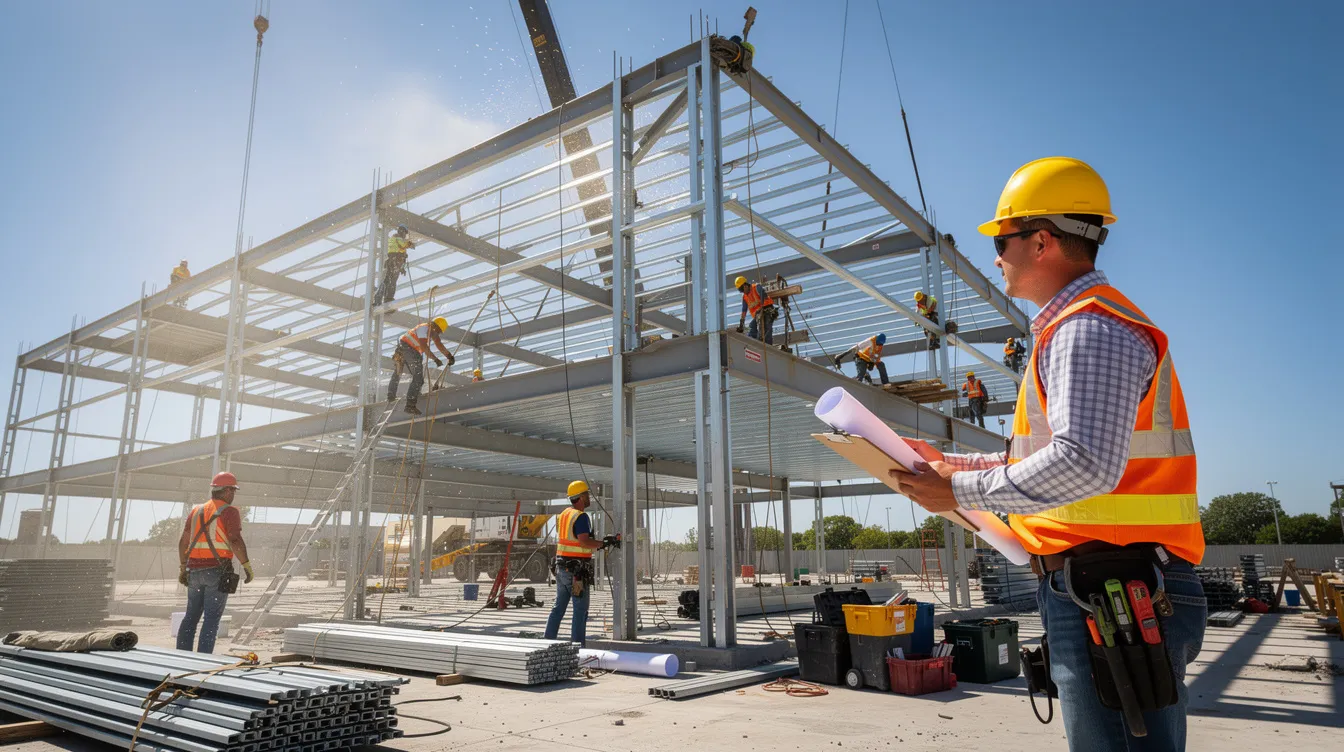
When you audit culture, focus on the places where values turn into behavior:
These are the areas where stated culture and lived culture usually either align or break apart.
Eastern Pennsylvania contractors do not need to start with a companywide overhaul. A smaller, disciplined pilot is usually the better move.
OSHA’s safety and health program audit tools can help reinforce this disciplined review approach. The goal is not to force culture into a spreadsheet. It is to gather enough credible evidence to identify patterns you can actually change.
A culture audit matters only if leadership acts on the findings with the same seriousness it would bring to a safety or quality issue.
Not every fix will look the same across every team or market. For example, a hypothetical healthcare renovation team in Philadelphia, a warehouse crew in the Lehigh Valley, and a field operation along the I-81 corridor may face different pressures. The point is not uniformity for its own sake. The point is disciplined consistency in the behaviors that matter most.
For contractors across Philadelphia, the suburban counties, the Lehigh Valley, and Northeast Pennsylvania, culture is not separate from performance. It affects safety, credibility, coordination, retention, and how confidently owners, general contractors, and employees view your company.
This matters especially in a competitive regional market where merit shop firms need strong field leadership, reliable communication, and a credible employee value proposition. The U.S. Bureau of Labor Statistics reports that construction manager employment is projected to grow 9% from 2025 to 2035, and that the median annual wage for that occupation was $114,990 in May 2025. Those national figures do not prove a specific local hiring outcome. They do, however, support a reasonable business inference: in a market where capable leaders remain valuable, companies have a stronger case for creating a work environment people want to stay in.
Poor culture creates costs that may not show up immediately in bid strategy or labor rates. They often appear first as rework, delayed decisions, preventable tension, inconsistent safety follow-through, and avoidable turnover. A culture audit gives leadership a better chance to catch those problems before they become normal.

ABC Eastern Pennsylvania may not serve as your full culture-audit function, but it offers several resources that support the same improvement work.
For many contractors, the first practical step is not labeling the company as healthy or unhealthy. It is deciding to look honestly at how leadership behavior, safety discipline, and communication actually function across the business.
If you want a manageable starting point, use a 30-day pilot process:
Auditing construction company culture is not about turning management into a philosophy seminar. It is about finding the patterns that affect safety, trust, retention, and execution before they become expensive habits. If warning signs are repeating across crews or projects, pick one team or one job this month and start there.


