


Pennsylvania’s data center pipeline is no longer hypothetical. With 53 proposed data centers planned across the Commonwealth and billions of dollars in announced investment, the procurement cycle for these projects is already shaping bid pipelines, labor strategies, and compliance planning for contractors across Eastern Pennsylvania. This article breaks down what data center procurement means for firms in the Philadelphia metro, the Lehigh Valley, and Northeast PA, and what you should be doing right now to compete.
Data center procurement refers to the full lifecycle through which owners plan, solicit, prequalify, bid, and award contracts for data center construction. That lifecycle includes needs assessment and commissioning and touches every trade, from sitework to low-voltage systems. A strategic procurement process is essential for data center capacity and services because it gives owners earlier insight into needs across the project lifecycle, improving decision-making. In Eastern Pennsylvania, it is no longer an abstract concept. It is an active process happening across multiple project sites right now.
Pennsylvania’s wave of data center proposals and the parallel policy discussion in Harrisburg mean this market has shifted from “if” to “when.” Proposed campuses near the I-78 and I-81 corridors, active projects in Luzerne and Bucks Counties, and ongoing prequalification activity from national developers all signal that procurement decisions affecting the next three to five years are being made today. A detailed request for proposal on these projects should cover all technical and operational requirements, from power infrastructure to cooling, security, and environmental controls, while drawing from a single project account or integrated data source as owners evaluate those needs.
For merit shop contractors competing in a union-dense Philadelphia market, understanding data center procurement now affects estimating strategy, labor planning, safety posture, and capital decisions. Even while policymakers discuss tax incentives, utility oversight, and possible moratoriums, owners, developers, and utilities are already running prequalification and early design competitions that will select go-to contractors. The rest of this article shows what Eastern Pennsylvania firms should do in 2026 to be ready when data center projects in Philadelphia, the suburban collar counties, the Lehigh Valley, and Northeast PA hit procurement.
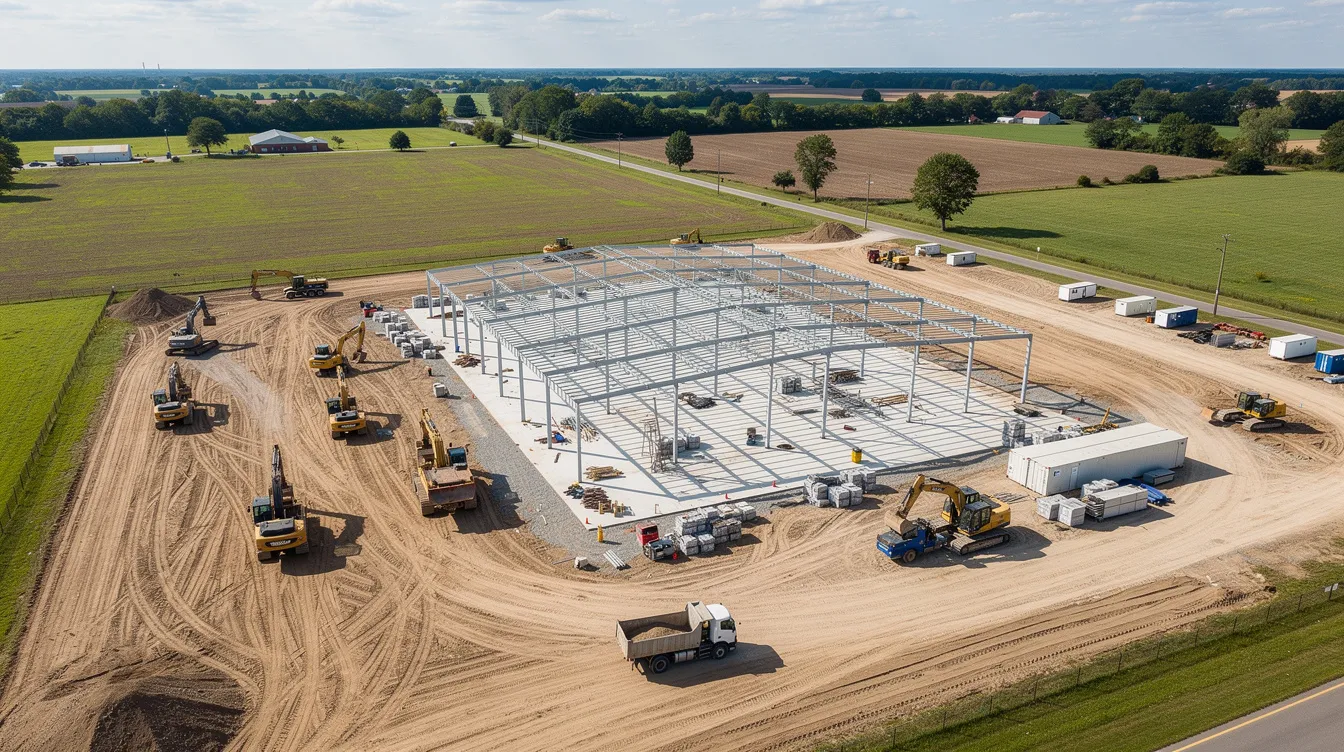
Pennsylvania currently has 53 proposed data centers, a number that shows the scale of the market and could create local jobs, from temporary construction positions numbering in the thousands to permanent operations roles. Amazon Web Services plans to invest $20 billion in Pennsylvania across innovation campuses in Bucks County and Luzerne County. The Luzerne County campus alone is planned to span approximately 1,200 acres and include around 20 data centers. NorthPoint Development’s Project Hazelnut in Hazle Township adds further scale with up to 15 buildings and a private substation.
The policy environment is active and evolving. Governor Shapiro’s GRID Standards require developers seeking state support to meet strict conditions on energy affordability, workforce engagement, and community transparency. His August 2026 Executive Order requires local municipal or county approval before the state will issue permits. Meanwhile, the legislature has proposed a three-year moratorium on hyperscale data center development (SB 1359), and several municipalities have enacted 180-day pauses while they update zoning. Contractors should also watch each relevant industry report alongside legislation and local hearings, especially as some critics describe Pennsylvania’s wave of data center proposals as an onslaught.
Community concerns are significant: over 70 percent of residents are concerned about data center energy usage, and 42 percent of Pennsylvanians oppose data centers in their communities. Supporters point to economic development, but residents often see the difference in local traffic, noise, and land use. Data center projects face scrutiny over water usage and environmental compliance. Some objections also focus on what these decisions could mean for future generations. Proposals near a house or established neighborhoods can heighten opposition and raise quality-of-life concerns. Analysts have flagged that proposed exemptions could cost $2 billion in tax revenue by 2031. For contractors, these policy conversations do not freeze activity. They influence when projects receive permits, how quickly utilities can deliver power, and what conditions attach to public approvals. Monitoring state and local decisions is essential because permitting timelines, infrastructure requirements, and community conditions directly affect schedules, labor peaks, and cost assumptions on future bids.
Data centers cluster around power availability, fiber connectivity, and transportation access. Power availability and cost can dictate site selection, while connectivity and network latency matter for facility placement. Location analysis should also include exposure to natural hazards. In Eastern Pennsylvania, three submarkets stand out.
Philadelphia and the collar counties (Montgomery, Bucks, Chester, Delaware) offer existing substations, dense fiber networks, and potential redevelopment of industrial or office parks. Expect retrofit, expansion, and corporate or cloud provider facilities tied to the region’s technology and business infrastructure.
The Lehigh Valley along the I-78 corridor between Allentown, Bethlehem, and Easton benefits from existing warehouse and logistics infrastructure, highway access, and available power. Large greenfield campuses are attractive here, and developers are already assembling sites, with those logistics advantages also supporting material flow and supply chain coordination for large campus builds.
Northeast Pennsylvania along the I-81 corridor from Scranton and Wilkes-Barre through Luzerne, Lackawanna, and adjacent counties is where the largest hyperscale announcements have landed. Combined capacity across nine projects tracked in Luzerne County alone totals approximately 1.9 GW with about $4.8 billion in projected investment.
Rack densities in new facilities range from 15 to 50 kilowatts, which means power and cooling capacity must support high-density workloads. Battery Energy Storage Systems on these sites can range from 5 to over 50 megawatts. The typical construction scopes contractors can expect include:
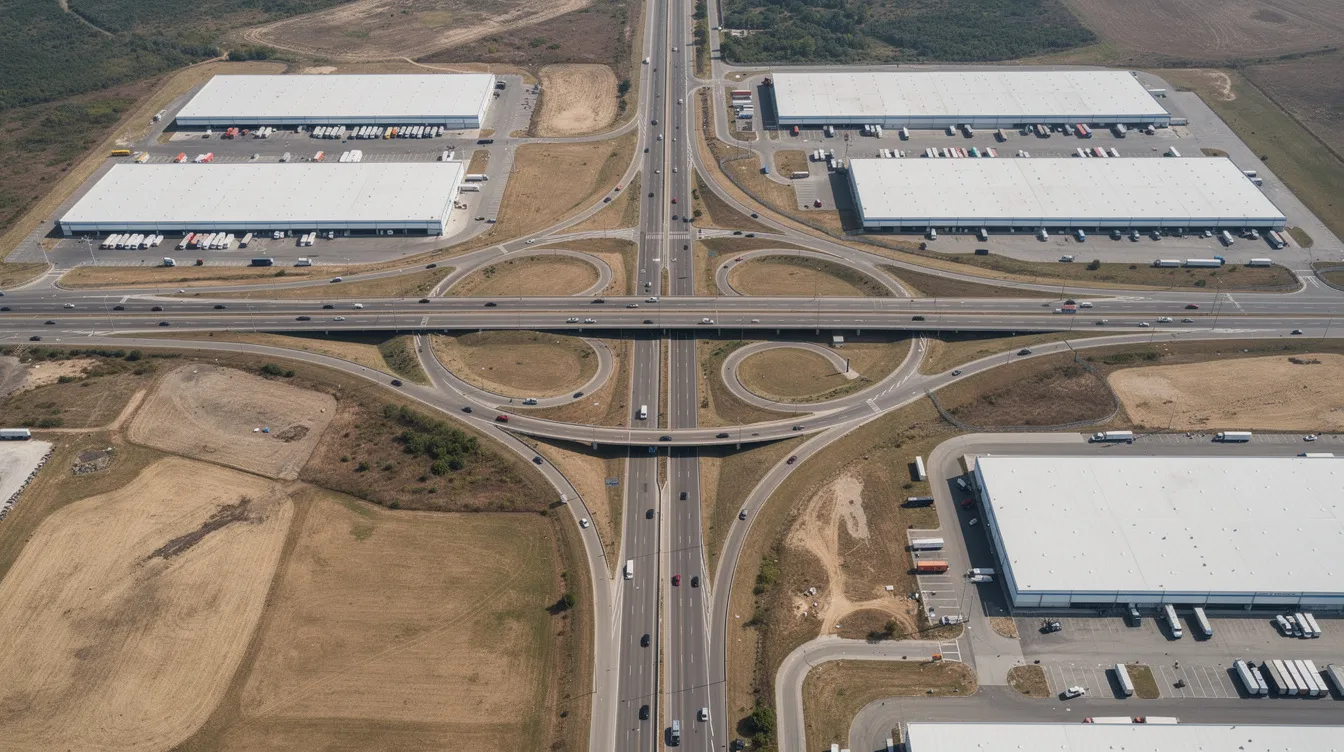
Data center procurement runs on compressed schedules. Data center construction timelines now average 16 to 20 months, and owners expect rapid pricing, clean scopes, documented performance history, and visible progress against procurement, fabrication, and site milestones. Modular projects can reduce delivery timelines by 30 to 50 percent, meaning some owners will push for fabrication and modular approaches that demand even faster responses from bidders.
Owner and GC priorities that must shape your bid strategy include schedule certainty, safety record, quality of electrical and mechanical installation, change-order discipline, and capacity to staff multiple shifts. Prudent procurement processes involve clear RFP systems and risk allocation strategies. A comprehensive evaluation of vendor capabilities is important in procurement because owners are not just buying price; they are buying reliability.
Generators and switchgear often have lead times of 12 to 18 months. Long lead times for critical equipment necessitate early vendor engagement and tighter scope control to help protect margins. Estimators must adjust their process: build internal data center cost libraries, engage critical vendors early, allow for escalation, and coordinate closely between preconstruction and operations to validate manpower curves. Evaluating total cost of ownership is crucial in data center solutions procurement because owners weigh operational costs, including power consumption and maintenance, alongside initial build costs. Power usage effectiveness is a key energy efficiency metric, and effective procurement requires balancing initial and operational costs over time. Scale and flexibility in design are critical for future growth, and modular designs can support future development.
Clear scope definition between primes and specialty contractors is essential, particularly between electrical and mechanical work where overlaps in power distribution, controls, and low-voltage systems create disputes and margin erosion. Practical steps include:
Data center construction is labor-intensive for specific trades, and Eastern Pennsylvania contractors will need deliberate workforce planning to avoid labor constraints when several projects overlap. Half of data center engineers may retire within three years, tightening an already constrained talent pool nationally and risking the loss of critical institutional knowledge as experienced personnel exit the workforce. Data centers require skilled workers for complex systems integration across electrical, mechanical, controls, and commissioning disciplines.
The trades likely to see the greatest workforce need include:
| Trade | Estimated Share of Data Center Labor | Constraint Level |
|---|---|---|
| Electricians (all voltages) | 30–40% | High |
| HVAC and sheet metal | 10–15% | High |
| Pipefitters | 10–15% | High |
| Plumbers | 5–10% | Moderate to High |
| Fire sprinkler fitters | 5–8% | Moderate |
| Concrete and steel crews | 10–15% | Moderate |
| Low-voltage and fiber | 5–10% | Moderate |
Firms can use data from active and proposed data center projects to forecast peaks in hiring, overtime, supervision needs, and field leadership requirements across the Philadelphia, Lehigh Valley, and NEPA markets. Apprenticeship programs are essential for workforce development in data centers, and contractors who invest now in registered apprenticeship enrollment, school-to-career partnerships, partnerships with universities, and foreman bench development will be positioned to scale without sacrificing quality while helping contractors and the broader company build the next generation of technical talent. ABC Eastern PA workforce development resources, ABC Eastern PA training programs, and career development pathways across ten trades give member contractors a direct pipeline to upskill existing employees, register new apprentices, and prepare project managers for the technical demands of data center jobs.
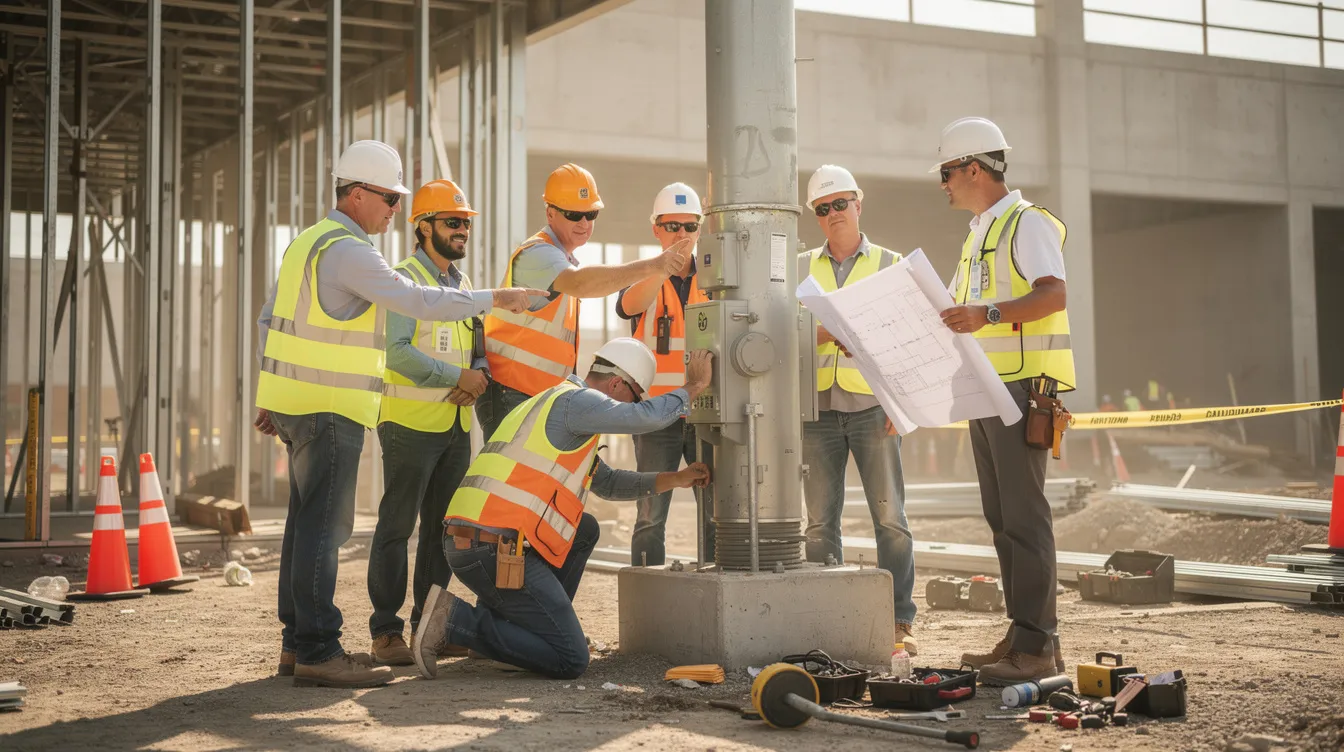
Many data center projects will touch some combination of state or local incentives, public infrastructure improvements, or utility ratepayer considerations. These triggers can activate prevailing wage, PLA, or Responsible Contractor Ordinance requirements that reshape bid eligibility and total labor cost. Compliance with regulatory standards is necessary in the data center industry, and data center procurement should include risk assessment and compliance verification at every stage.
The Pennsylvania Prevailing Wage Act applies where state incentives, public funding, or utility ratepayer contributions are involved. Federal Davis-Bacon rules can layer on top for federally supported infrastructure. Contractors must produce certified payroll, job classification accuracy, and fringe benefit documentation. Permitting and utility approvals can add six to twelve months to project timelines, and any misstep in compliance documentation can erase margin.
Project Labor Agreements and local RCOs in parts of Eastern Pennsylvania, particularly Philadelphia and some suburban municipalities, can affect crew composition, subcontractor selection, and total labor cost. Contractors should build a standard compliance review step into their data center procurement process:
ABC Eastern Pennsylvania’s advocacy and policy intelligence helps members stay current on these evolving rules while keeping the focus on open competition, risk management, and predictable project delivery.
Data center construction combines fast schedules, dense trades, heavy electrical loads, and critical commissioning sequences. Data centers should verify physical security and compliance with industry regulations from the earliest phases of construction. Sustainability considerations are increasingly important in data center procurement, and energy-efficiency metrics affect long-term operational costs, making design decisions during construction consequential. Power costs and reliability significantly affect data center operations, and procurement includes assessing power availability and grid stability before the first footer is poured.
The primary risk areas for Eastern Pennsylvania contractors include:
Owners and GCs increasingly use objective indicators such as STEP participation, TRIR trends, and OSHA history as selection factors during data center procurement and prequalification. ABC Eastern PA safety resources, including the ABC-OSHA Partnership, safety consulting services, and custom training, help members reduce incidents and demonstrate a mature safety culture.
This quarter, safety leaders should:
Large data center owners and their construction managers use rigorous prequalification processes that scrutinize financial strength, bonding capacity, safety performance, technical experience, and workforce depth. Total cost of ownership encompasses all operational expenses beyond initial pricing, and owners evaluate contractors who understand that equation.
Documentation Eastern Pennsylvania contractors should have ready includes:
Internal audits can identify gaps in policies, insurance coverage, or project controls that might raise red flags during prequalification or contract negotiation. Safety prequalification guidance provides a roadmap for aligning internal practices, recordkeeping, and safety culture messaging with what national data center owners and GCs expect. Firms that view strong prequalification packages as competitive assets, not administrative burdens, will win invitations to negotiate on higher-margin, repeat data center work.
The Philadelphia metro is one of the most union-dense construction markets in the country. Large, complex data center projects will attract strong interest from both union and merit shop firms. Merit shop contractors can differentiate themselves in data center procurement through schedule flexibility, transparent cost structures, robust apprenticeship participation, and proven safety performance.
Practical strategies for competing include:
ABC Eastern Pennsylvania membership and member benefits position firms for networking, intelligence-sharing, and business development around upcoming data center opportunities in a market where relationships and credibility determine who gets invited to bid.
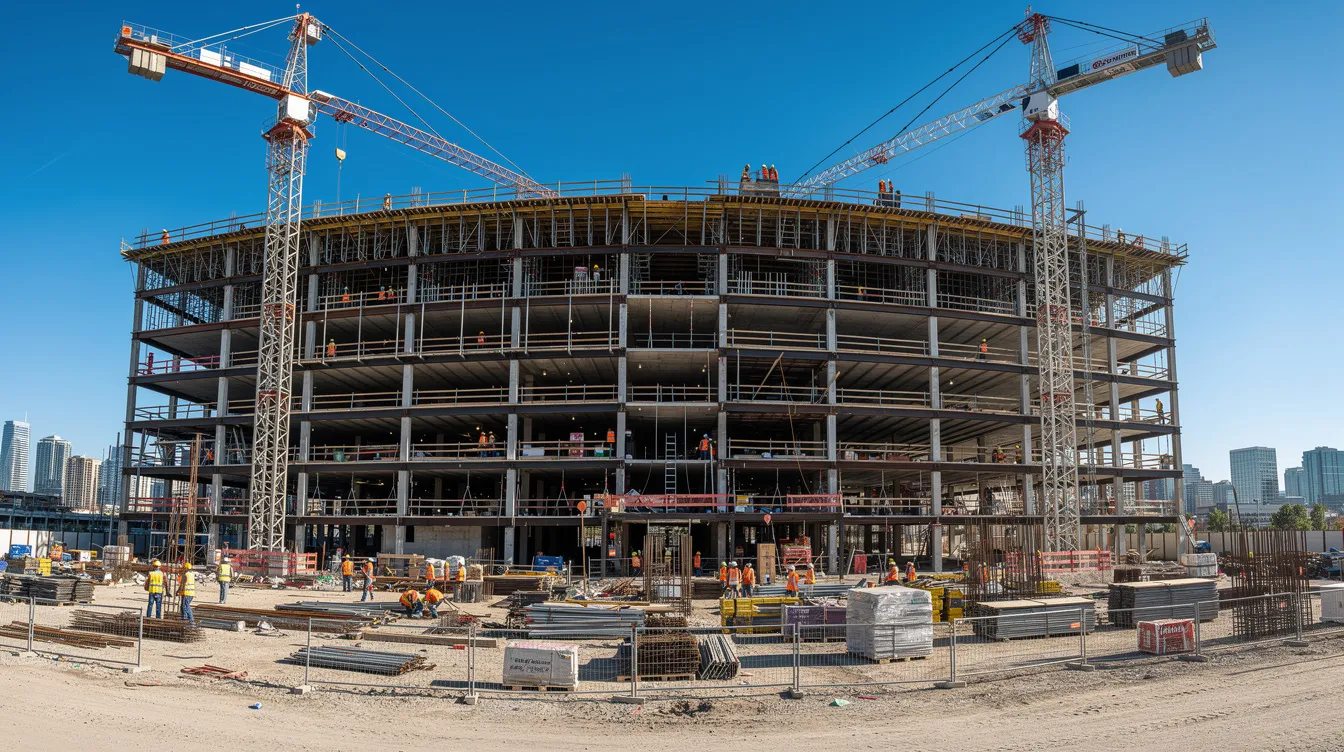
Firms that prepare now will be at the table when data center projects move from review to award. Here is what to prioritize in the next 90 days:
These FAQs address common follow-up questions not fully covered elsewhere in the article.
Firms should typically start positioning 12 to 24 months before anticipated notice-to-proceed. Prequalification, relationship building with developers, workforce planning, and safety improvements all take time. Given that generators and switchgear alone carry lead times of 12 to 18 months, early preparation is not optional.
Yes. Even smaller firms can participate by specializing in niches such as low-voltage installation, fire stopping, exterior envelope, or equipment pads. Owners and GCs value strong safety performance and reliable staffing from specialty contractors, and many scopes on campus-style projects are awarded independently.
No. While many high-capacity sites will be ground-up campuses, contractors should also expect retrofit and expansion work in existing industrial, office, or technology facilities around Philadelphia, the Lehigh Valley, and NEPA. Edge data centers and corporate facilities often involve adaptive reuse of existing space.
Highlight similar complex projects such as hospitals, manufacturing plants, laboratories, or logistics facilities. Pair those references with strong safety records, apprenticeship participation, and clear quality-control procedures. Owners will look for evidence that you can manage the engineering complexity, coordination demands, and schedule pressure that define mission-critical environments.
Engage with ABC Eastern Pennsylvania for market updates, ABC Eastern PA workforce development resources, ABC Eastern PA safety resources, and membership and member benefits that connect firms with peers and opportunities across the region. Firms tracking global data center growth can also watch lessons from the Middle East, where permitting and utility coordination can shape project timelines. The chapter’s advocacy, training, and networking platforms are built to help merit shop contractors compete and win in this evolving market.


