


Construction Executive recently highlighted how affordability concerns are shaping the 2026 election-season policy debate. For contractors in Eastern Pennsylvania, that matters less as political commentary and more as a business signal. When affordability becomes a major public issue, pressure tends to build around taxes, energy-intensive development, and public procurement rules. Those debates can influence project timing, bidding strategy, compliance risk, and who is positioned to compete.
For ABC Eastern Pennsylvania members, the practical question is not how to predict the November 2026 election result. It is how to prepare for policy moves that could affect margins and pursuit decisions in Philadelphia, the suburban collar counties, the Lehigh Valley, and Northeast Pennsylvania.
Three channels deserve the closest attention right now: federal project labor agreement procedures on large public work, prevailing-wage compliance on public projects, and the broader tax and energy-policy debates that can change project economics for owners and contractors alike.
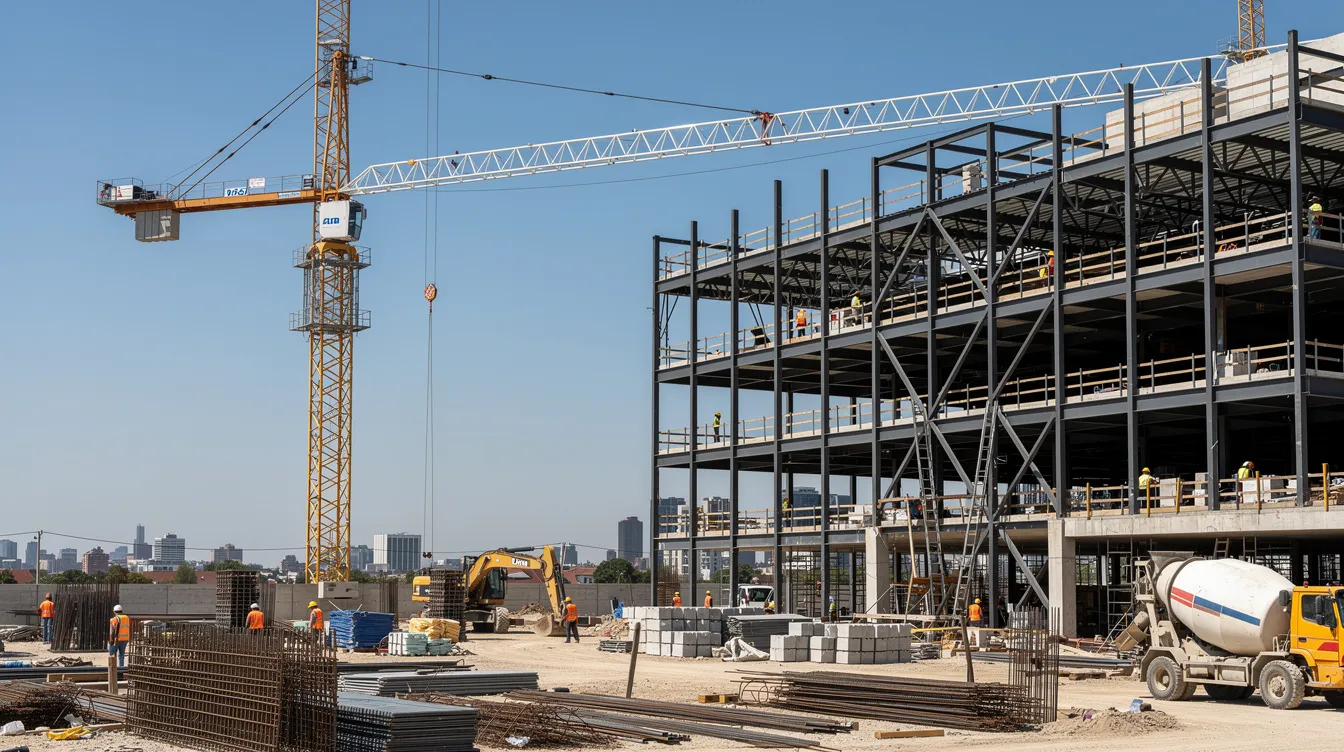
Affordability is a broad public concern, but in construction it usually shows up in specific cost and policy decisions. Owners reconsider timing. Agencies revise procurement language. Legislators revisit tax, energy, or labor rules. Utility and permitting questions get more attention when large projects are seen as affecting ratepayers or public budgets.
That makes this a planning issue for contractors, not just an advocacy issue. If your firm is bidding public work, pursuing large industrial projects, or pricing long-duration contracts, election-season policy debate can affect risk allocation well before any ballot is cast in November 2026.
One of the clearest current developments is federal PLA procedure. On June 18, 2026, GSA issued Acquisition Letter MV-2026-03, which applies to new solicitations for large-scale construction contracts and task orders of $35 million or more issued on or after the effective date. The guidance requires a paired-proposal approach and gives a PLA proposal an evaluated price preference equal to the lesser of 10% or $15 million. That means federal contractors need to review solicitation strategy carefully rather than treating PLA language as boilerplate.
For merit shop firms, that is a live estimating and pursuit issue. ABC has long argued that government-mandated PLAs can restrict competition and affect costs, and that concern is especially important in a union-dense market like Eastern Pennsylvania. Contractors pursuing covered federal work should expect closer internal review of labor assumptions, bid structure, and whether a specific pursuit still fits the firm’s risk profile.
At the same time, Davis-Bacon compliance remains an important federal public-work issue. The U.S. Department of Labor states that its 2023 Davis-Bacon final rule took effect on October 23, 2023, but only three specific provisions are currently subject to a nationwide preliminary injunction issued on June 24, 2024. The remainder of the final rule remains in effect. That is a more limited situation than a blanket block, and contractors should avoid assuming the entire rule has been set aside.
What to do now:
Public construction in Pennsylvania and federal public construction both carry prevailing-wage obligations, and those obligations can materially affect estimating, subcontract strategy, and payroll administration. Because wage determinations vary by project, trade, and locality, contractors should resist using generic statewide rate assumptions in bids.
The safer approach is procedural discipline. Before submitting a public bid, confirm the applicable wage determination, check classifications against the actual scope, and make sure subcontract terms clearly assign compliance responsibilities. For firms working across multiple Eastern Pennsylvania counties, this matters because local project conditions can vary significantly even when the work type looks similar on paper.
Practical steps for bid exposure:
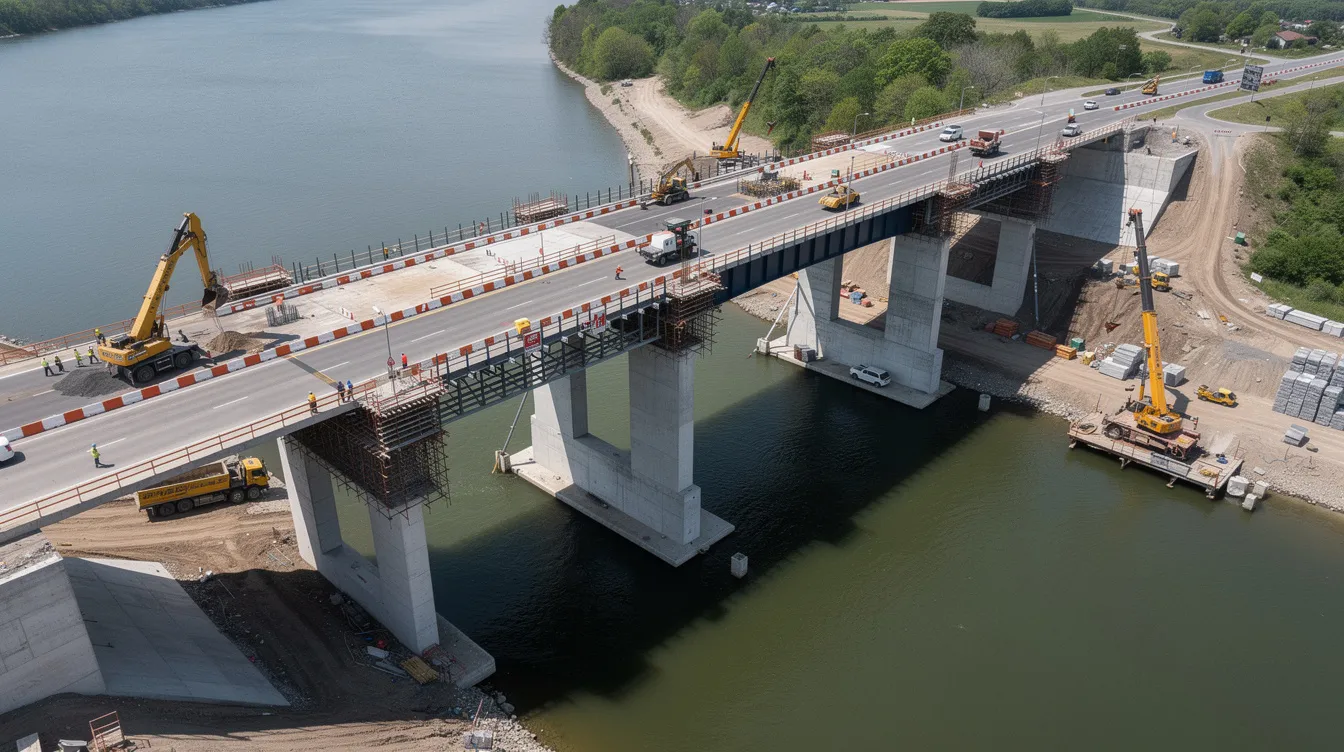
Tax policy is part of the affordability debate because lawmakers often frame cost relief, investment incentives, and business competitiveness through the tax code. But contractors should separate verified current law from campaign-season proposals and messaging.
That means avoiding assumptions based on incomplete headlines. If a proposal touches depreciation, expensing, overtime treatment, tariffs, or energy incentives, the right response is not to price in a benefit automatically. It is to monitor the proposal, ask how it could affect project timing or owner behavior, and consult tax counsel before changing internal planning assumptions.
For ABC Eastern Pennsylvania members, the practical value is less about predicting a single tax outcome and more about recognizing when owners may delay, accelerate, or restructure decisions because of tax uncertainty. That can influence backlog quality as much as direct tax liability does.
Actions for contractors:
Large-load development, including data center work, is drawing more policy attention because it raises questions about power availability, infrastructure upgrades, permitting timelines, and who pays for system impacts. In an affordability-focused environment, those questions can move quickly from technical utility planning into broader public debate.
For contractors, the takeaway is straightforward: energy-intensive projects may carry more policy and coordination risk than the building scope alone suggests. A project can look attractive on paper while still facing uncertainty around interconnection timing, utility upgrades, environmental approvals, or cost allocation among the owner, utility, and other stakeholders.
That can matter across Eastern Pennsylvania, especially where industrial and logistics growth overlaps with power-intensive development. In the Lehigh Valley and along major freight corridors, firms evaluating large industrial or technology-related work should treat utility readiness as an early screening question, not a late-stage assumption.
Risk-management checklist:
The affordability debate may be national, but its practical impact is local. Contractors across ABC Eastern Pennsylvania’s 17-county footprint face different risk patterns depending on project mix, labor environment, and public-work exposure.
Contractors in Philadelphia, Montgomery, Bucks, Chester, and Delaware County often see the strongest overlap between institutional work, public procurement requirements, and labor-policy scrutiny. When affordability pressure intensifies, procurement language and labor-cost assumptions can become even more important on civic, school, and infrastructure projects.
The Lehigh Valley’s industrial and logistics activity makes it especially important to watch utility readiness, infrastructure coordination, and owner decision-making on larger sites. As energy-intensive development draws more public attention, contractors in this submarket may need tighter screening around site-readiness risk and power-related schedule exposure.
Northeast Pennsylvania contractors can face sharper schedule risk when public work, logistics development, and infrastructure activity overlap in a thinner labor environment. In that setting, policy-driven changes to procurement or compliance can quickly disrupt capacity planning.
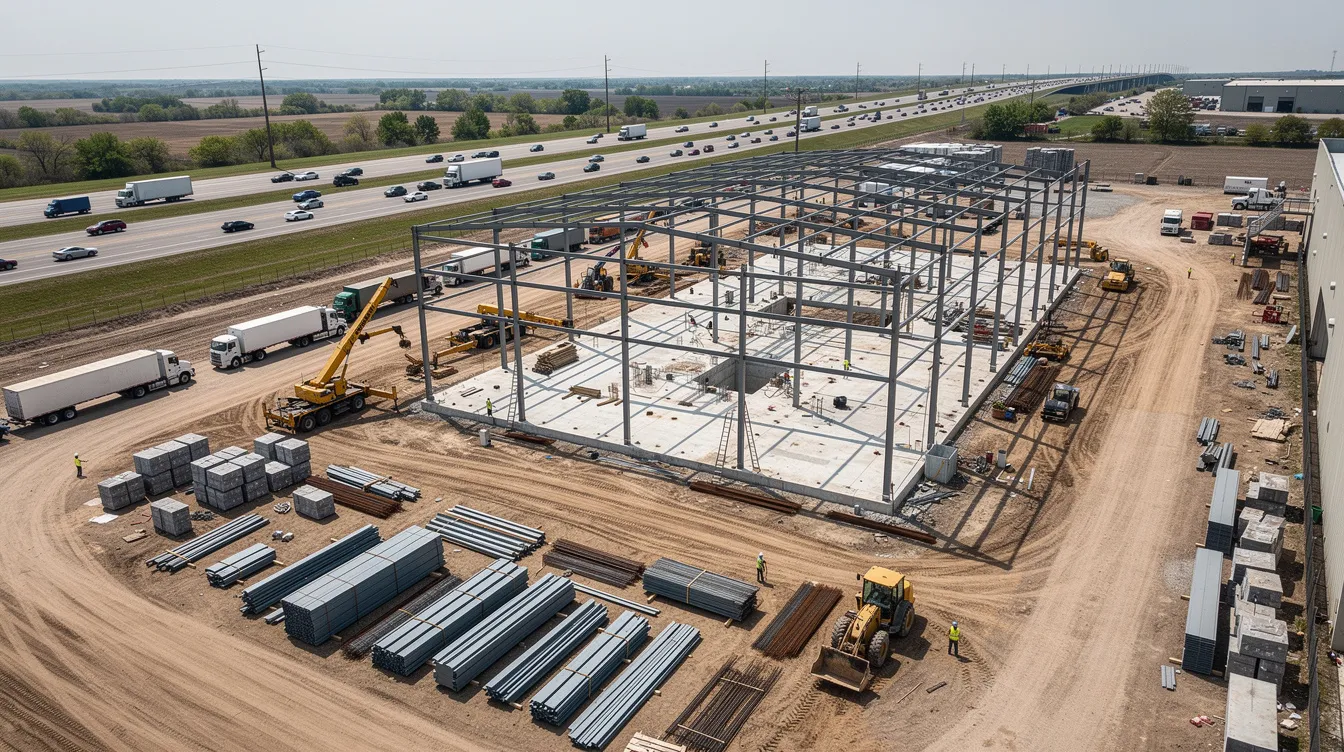
Between now and the November 2026 election, contractors should focus less on campaign noise and more on actionable signals.
ABC Eastern Pennsylvania represents more than 14,000 merit construction employees working for about 500 to 600 member companies and industry partners across 17 counties. In this market, merit shop firms are not just reacting to policy. They compete in one of the most union-dense construction environments in the country, where changes in procurement language or labor rules can quickly alter pursuit strategy.
This is also a moment for disciplined industry participation. ABC Eastern Pennsylvania’s advocacy work focuses on protecting fair competition across Philadelphia, Suburban Philadelphia, the Lehigh Valley, and Northeast Pennsylvania. For firms concerned about procurement fairness, labor-policy changes, or public-work competitiveness, structured engagement matters more than generalized frustration.
The 2026 affordability debate is not just a political story. For Eastern Pennsylvania contractors, it is a practical warning that tax debates, energy-intensive development, and procurement rules may stay volatile through November 2026 and into 2027. Firms that track those signals carefully, tighten their public-bid review process, and pressure-test pursuit assumptions will be better positioned than firms that treat affordability as background noise.
ABC Eastern Pennsylvania exists to help merit shop contractors stay informed, strengthen workforce capacity, and compete on a level playing field. If your firm is reviewing public-work strategy, labor-policy exposure, or project pursuit discipline, the chapter’s advocacy resources, workforce development programs, training options, and member network can help you stay ahead of what is changing.
This article is for general information only and is not legal or tax advice.


