


If you are pricing commercial or institutional work in Eastern Pennsylvania right now, lumber prices in 2026 can still mislead at a glance. Framing lumber and plywood are not moving in lockstep. The latest federal producer-price data for September 2026 showed softwood lumber down 1.4% from August while plywood rose 1.8% in the same month, with both categories still higher than a year earlier. For estimators, buyers, and project executives, that split is where margin risk lives heading into late-2026 bidding.
The main takeaway is simple: a steadier framing-lumber line does not mean your full wood package is stable. According to the U.S. Bureau of Labor Statistics, softwood lumber producer prices were up 14.2% year over year in September 2026, and plywood producer prices were up 12.6% year over year. But on a month-to-month basis, the two moved in opposite directions, with softwood lumber down 1.4% and plywood up 1.8% in September.
For scopes that include sheathing, roof decking, subflooring, backing, or other panel-heavy assemblies, that divergence matters more than a single headline about “lumber.”
What to do now:
ABC Eastern Pennsylvania’s news and trends coverage is also a useful place to monitor broader market conditions affecting contractors across Philadelphia, the collar counties, the Lehigh Valley, and Northeast Pennsylvania.
The cleanest verified signal in this market comes from the September 2026 Producer Price Index release. BLS reported that softwood lumber producer prices fell 1.4% from August to September 2026, while plywood producer prices increased 1.8% over the same period. Over 12 months, softwood lumber was up 14.2%, and plywood was up 12.6%.
Those figures do not mean every yard in Eastern Pennsylvania moved by the same percentages. They do mean the national pricing pressure on wood products is uneven, and that unevenness should show up in how contractors estimate, buy, and allocate risk.
That broader inflation context matters because contractors don’t buy wood in isolation. Freight, fuel, equipment, fabricated materials, and subcontractor pricing can all move around the same time.
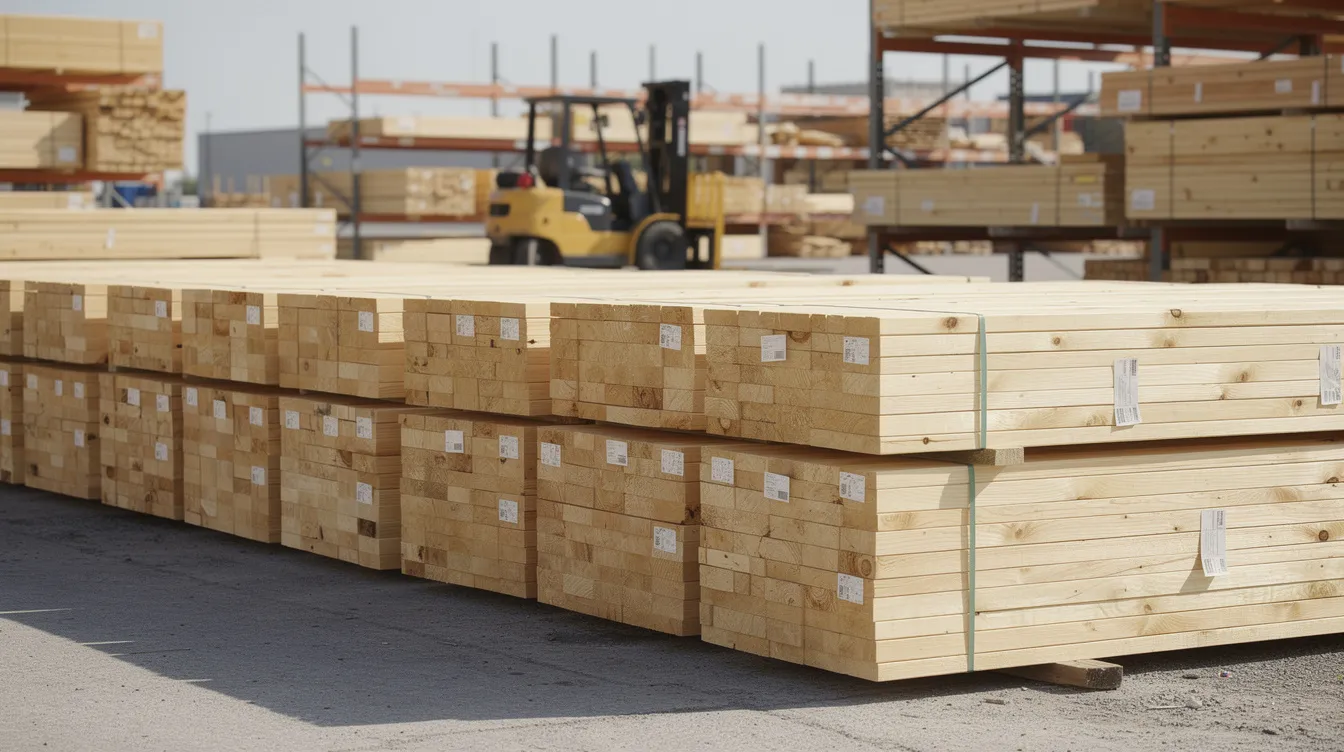
Many bid reviews focus first on framing lumber. That makes sense, but it can also create a blind spot. Actual project exposure often includes plywood, OSB, and other panel products that serve different functions and can follow different price paths.
Framing lumber typically affects studs, joists, rafters, and other dimensional members. Panel products show up in wall and roof sheathing, floor systems, temporary protection, blocking, backing, and rated assemblies. On commercial, institutional, and mixed-use work, that panel spend can be meaningful even when wood is not the dominant structural material.
That is why a “lumber is holding steady” message can be misleading at bid time. If your estimate assumes one flat escalation factor across all wood materials, panel-heavy scopes may be underpriced even while your framing line looks manageable.
A better approach is to break the wood package into separate pricing buckets:
That separation gives estimators and project managers a clearer view of where the live risk actually sits.
For contractors across Eastern Pennsylvania, the framing-lumber-versus-plywood split matters differently by project type and submarket.
The common mistake is assuming wood volatility only matters on residential work. In reality, many commercial and institutional projects still have enough panel content for price movement to affect margin if estimating teams don’t separate the categories carefully.
ABC Eastern Pennsylvania serves contractors across 17 counties in these three submarkets and is positioned as a regional resource for training, advocacy, safety, and business support. That makes chapter updates and peer conversations useful inputs when national pricing signals need translating into local decisions.
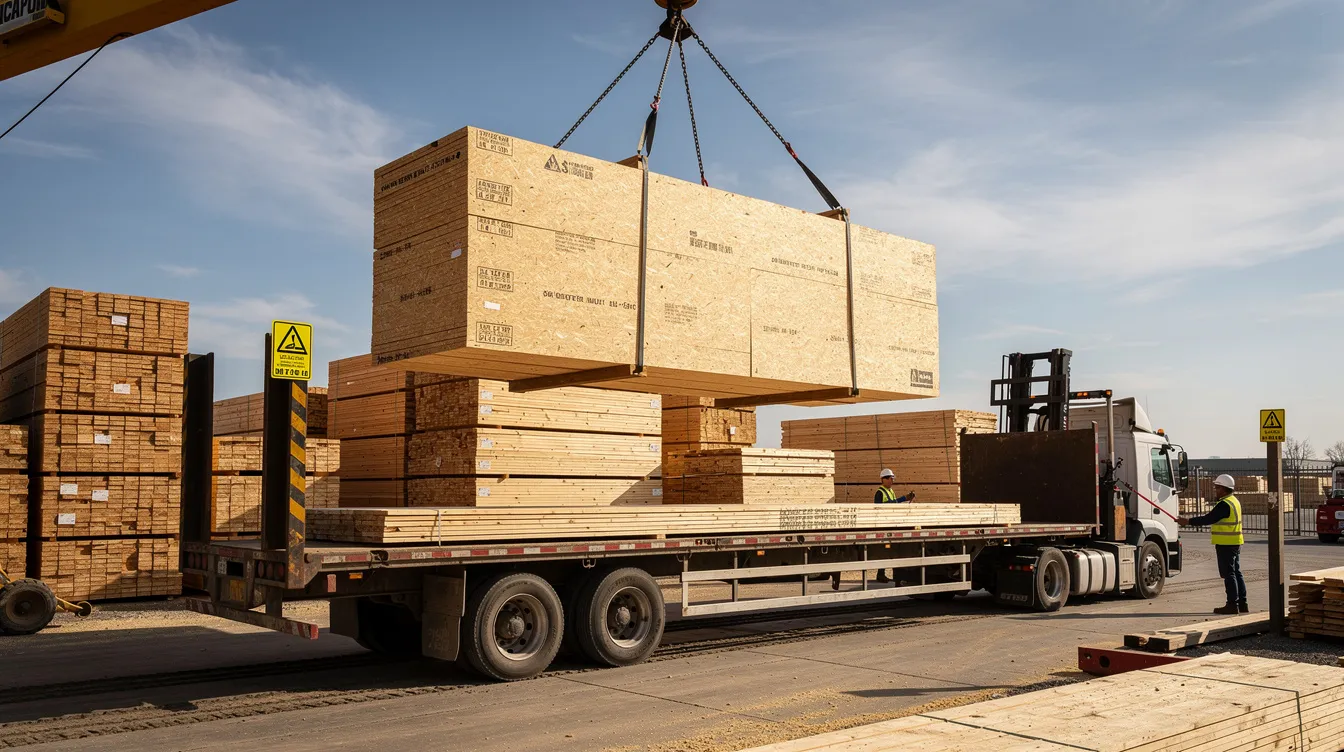
If you are revising active bids now, the most practical response is not a long macroeconomic debate. It is a tighter takeoff and pricing process.
Use these estimating checks:
That last step matters. A bid can look disciplined overall while still carrying hidden risk in a relatively small number of wood-related line items.
Procurement teams should treat current wood pricing as a category-management issue, not a single-market story. The latest BLS release supports the idea that framing-lumber and plywood trends have separated, so suppliers should be asked category-specific questions rather than broad ones.
Useful conversations with vendors include:
ABC Eastern Pennsylvania’s article on contractor bid pricing inflation in Pennsylvania also offers broader guidance for managing materials volatility beyond wood products alone.
The current wood-market split also has contract implications. If plywood and other panels are the more volatile part of the package, proposals and subcontracts should not treat all wood materials as one undifferentiated allowance.
Consider these steps:
This is educational guidance, not legal advice. Contractors should consult their own counsel or advisors before revising standard contract language.
Turn the current lumber prices 2026 signal into immediate action:
For estimating teams
For purchasing and project management
For leadership
Stay connected
The core message for Eastern Pennsylvania contractors is straightforward: lumber prices in 2026 are not moving as one story. Framing lumber may look calmer than earlier spikes, but plywood is still a live bid and buyout issue. Firms that separate those categories now will make better estimating, procurement, and margin-protection decisions in the months ahead.


