


Construction wellness and safety means more than PPE, inspections, and OSHA compliance. It also includes how work is structured, how quickly help can reach a worker, and whether isolation is quietly increasing risk on the jobsite. For Eastern Pennsylvania contractors, lone-worker situations show up every day, from after-hours service calls in Philadelphia to warehouse punch work in the Lehigh Valley to dispersed highway and utility work along the I-81 corridor.
When someone is working alone, the hazard itself may not be new. The difference is that assistance may not be readily available if something goes wrong. In a 2024 bulletin, NIOSH explained that OSHA and NIOSH do not currently have a standard definition of lone work, but for purposes of that bulletin, it described it as a potentially hazardous working condition when a person cannot be seen or heard by another worker and assistance is not readily available. In construction, that can turn an ordinary incident into something much more serious. It can also increase stress, reduce support, and make it harder for supervisors to spot warning signs early.
This article is a practical guide for Eastern Pennsylvania contractors who want to identify lone-worker exposures, strengthen check-in and emergency response practices, and treat isolation as both a safety and wellbeing issue.
A lone worker in construction may be a single electrician troubleshooting equipment after hours, a carpenter finishing punch work on an otherwise empty floor, or a technician working in a remote mechanical room with no one nearby. OSHA identifies construction as a high-hazard industry with exposures that can include falls, struck-by hazards, electrocutions, and other serious risks. Those hazards do not disappear when a worker is alone. What changes is how fast someone can notice a problem and respond.
Common lone-worker scenarios include:
The task-level risks are straightforward. A fall from a ladder, an electrical incident, a sudden medical emergency, or an equipment-related injury becomes more dangerous when no one is there to witness it or call for help immediately. Some tasks also should not be assigned to a lone worker at all, especially when an applicable standard requires standby support, rescue capability, or direct assistance.
Manual check-ins by phone call are common, but they are easy to miss during a busy shift, and they do not help if a worker is incapacitated. Many emergency response plans also assume someone nearby will recognize the incident and activate the next step. That assumption breaks down quickly in a lone-worker situation.
Lone-worker risk is not only about physical injury. NIOSH has warned that psychosocial hazards in construction, including high demands, low control over work tasks, and lack of support from supervisors or coworkers, can contribute to poor health and safety outcomes. When someone is working alone, those pressures can intensify.
A worker making decisions in an isolated space without backup may feel more stress, more uncertainty, and less support. If unexpected conditions appear, there may be no one to confirm the safest next step or share the decision-making load. Over time, that kind of isolation can affect focus, confidence, and engagement.
The connection to safety is practical:
NIOSH has also emphasized that social connection at work matters for worker wellbeing, and that work design influences whether employees can maintain healthy social connection. For contractors, that means psychosocial risk is not a personal issue to ignore. It is a work-design and supervision issue that can affect both safety performance and employee wellbeing.
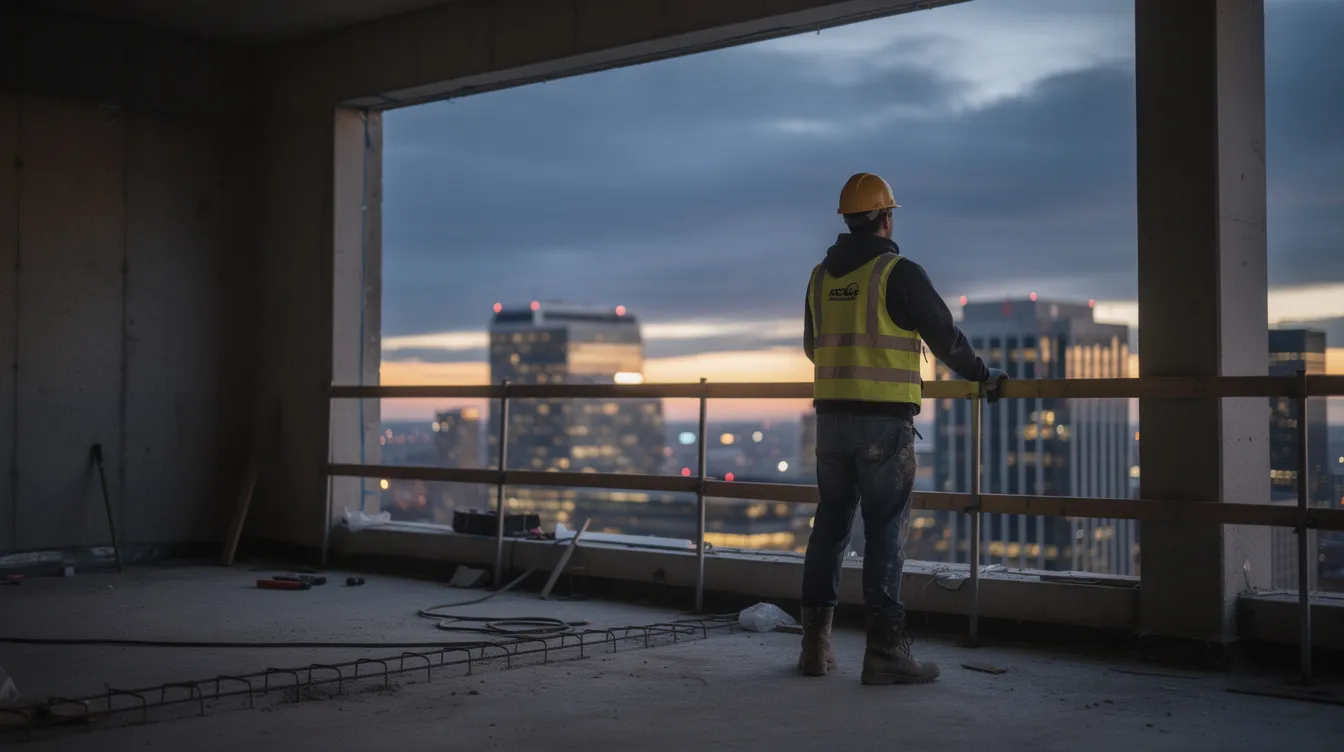
OSHA has no single standard devoted entirely to lone work in construction. But that does not mean the issue falls outside an employer’s responsibilities. NIOSH states that the United States lacks a comprehensive legal rule addressing working alone. It also notes that some OSHA standards restrict lone work or require additional personnel in specific situations, including certain immediately dangerous atmospheres, confined spaces, hazardous-waste and emergency-response operations, and work near energized parts. Where a specific standard does not directly address the exposure, other applicable OSHA requirements and the General Duty Clause may still matter.
NIOSH also reported that OSHA and NIOSH formed a partnership in 2023 to improve safety and health for lone workers by developing and sharing information about risks and prevention strategies. That matters for construction leaders because it signals that lone work is no longer a niche issue. Federal safety agencies are treating it as an important safety and health topic.
For Eastern Pennsylvania contractors, the practical takeaway is simple: do not wait for a single “lone worker rule” to decide whether a task needs extra planning. Use the existing framework already familiar to construction safety leaders, including hazard identification, communication planning, rescue readiness where required, and the hierarchy of controls.
OSHA’s recommended practices for safety and health programs in construction also stress that hazards can change as site conditions change. This is especially relevant for lone-worker assignments, where a task that begins as routine can become much more dangerous if access changes, weather shifts, or building conditions differ from expectations.
Eastern Pennsylvania contractors can find lone-worker exposure in all three of the chapter’s major submarkets.
Philadelphia and the suburban counties: after-hours tenant fit-outs, service calls in hospitals and universities, security-restricted mechanical spaces, and maintenance work in partially occupied buildings.
Lehigh Valley: warehouse and distribution-center punch work, rooftop HVAC troubleshooting, wide-footprint industrial sites, and isolated work areas inside large facilities along the I-78 corridor.
Northeast Pennsylvania: dispersed crews on highway, utility, logistics, and industrial work along the I-81 corridor, where one person can move out of sight or out of range from the rest of the crew for long periods.
Less obvious situations matter too. A worker may technically be on a larger project but still be effectively alone in a remote corner of the site, on a different floor, or in an area with limited communication. Small and mid-size contractors can be especially exposed because tight staffing and schedule pressure can make solo assignments feel efficient even when they increase risk.
When a superintendent, foreman, or project manager sends someone out alone, they are also deciding how quickly that worker could receive help if conditions change. Treat that as a real planning decision, not an informal scheduling choice.
Key consequences of lone-worker assignments include:
OSHA’s construction guidance emphasizes inspections, hazard identification, and attention to changing site conditions. In a lone-worker context, supervisors should assume that visibility will be lower and build controls accordingly.
CPWR’s safety-climate research is also useful here. It identifies factors such as management commitment, communication, and training as leading indicators of stronger safety performance. Applied to lone work, those findings reinforce that clear expectations, active supervision, and disciplined communication are practical controls.
A worker who spends much of the week alone on service calls, remote site areas, or off-shift assignments can begin to feel disconnected from both the crew and the company. That matters for retention, morale, and jobsite decision-making.
Common wellbeing concerns tied to chronic lone work include:
NIOSH notes that workers who are socially isolated or alone may not have the practical benefit of coworkers, supervisors, or safety professionals to help them respond when something unexpected happens. That is one reason lone-worker management belongs inside broader safety leadership and wellbeing efforts, not off to the side as an HR-only issue.
Eastern Pennsylvania contractors should build regular human contact into lone-worker oversight. That can include field visits, supervisor ride-alongs, structured check-ins, and visible reminders of how workers can access support resources. Companies that already promote career development and leadership training can use those same systems to strengthen how supervisors identify and respond to isolation-related risk.
Before sending a worker alone, supervisors should run through a consistent review process.
Start with the assignment itself:
Tasks that often require extra scrutiny or should not be done alone include:
When lone work is allowed, core controls should include:
OSHA’s recommended practices for construction safety programs support this kind of structured planning because they emphasize continuous hazard identification and adapting controls as conditions change. Lone-worker planning should be part of existing pre-task planning, job hazard analysis, and daily huddle routines rather than a separate disconnected form.
Technology can strengthen lone-worker protection, but it should support a clear human process rather than replace one. Phones, radios, and messaging apps are useful when the worker is conscious, reachable, and in coverage. They are less useful when someone is incapacitated or in a dead zone inside a large building.
More advanced options, such as automated check-in tools or man-down monitoring devices, may add another layer of protection. NIOSH has also cautioned that some monitoring technologies can introduce psychosocial stress if workers feel constantly watched. That means contractors should be transparent about what data is collected, who sees it, and how it will be used.
For companies already exploring digital safety tools, lone-worker oversight can align with broader technology planning rather than being added as a one-off system. Contractors evaluating that path may also find value in ABC Eastern Pennsylvania’s related article on predictive safety construction.
Before a worker leaves the yard or separates from the crew, review the following:
This can live on a printed card, in a digital pre-task form, or inside an existing dispatch process. What matters is consistent use.
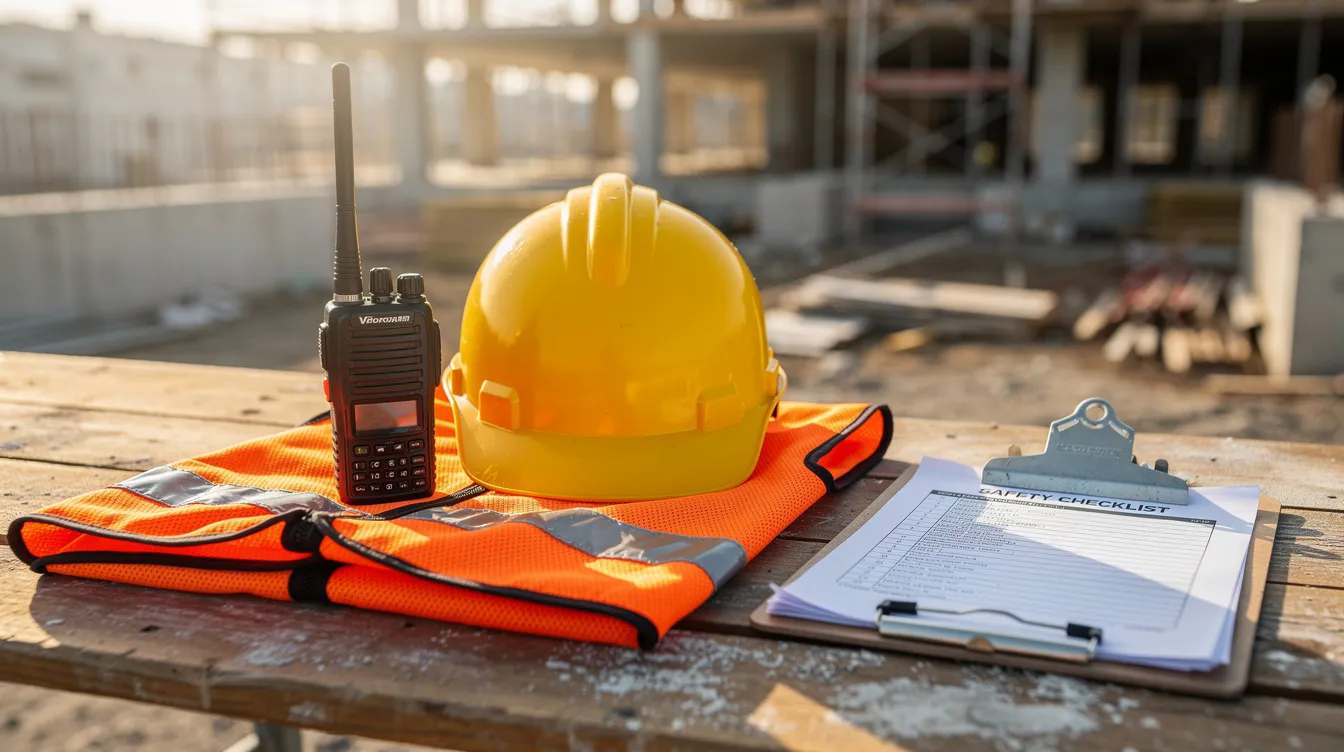
If a worker misses a check-in, hesitation can waste critical time. The response process should be clear before the assignment starts.
A practical escalation sequence includes:
Afterward, document what happened and review the response. A false alarm can still reveal weak points in communication, location tracking, or role clarity. Build these scenarios into drills and tabletop exercises so field leaders in Philadelphia, the Lehigh Valley, and Northeast Pennsylvania aren’t improvising during a real event.
Lone-worker controls should not live in a separate binder that no one opens. They belong inside the company’s larger safety and wellbeing system.
That integration should show up in six places:
This is also where leadership matters most. CPWR’s research on safety climate highlights management commitment, communication, and training as signals of a stronger safety system. Lone-worker management gives leaders a practical way to apply those principles in the field.
ABC Eastern Pennsylvania offers safety resources that can support contractors working to strengthen jobsite planning, hazard assessment, written procedures, and training across Philadelphia, the Lehigh Valley, and Northeast Pennsylvania. Companies that want broader support can explore the chapter’s member resources and support or connect with ABC Eastern Pennsylvania about current safety resources and support options.
Working alone is both a safety and a wellbeing issue. With stronger planning, clearer communication, and better supervision, Eastern Pennsylvania contractors can reduce isolation risks and improve how quickly they respond when something goes wrong. The next step is practical: review where lone work already exists in your operations, decide which assignments need tighter controls, and make lone-worker planning part of how your company approaches construction wellness and safety every day.


