


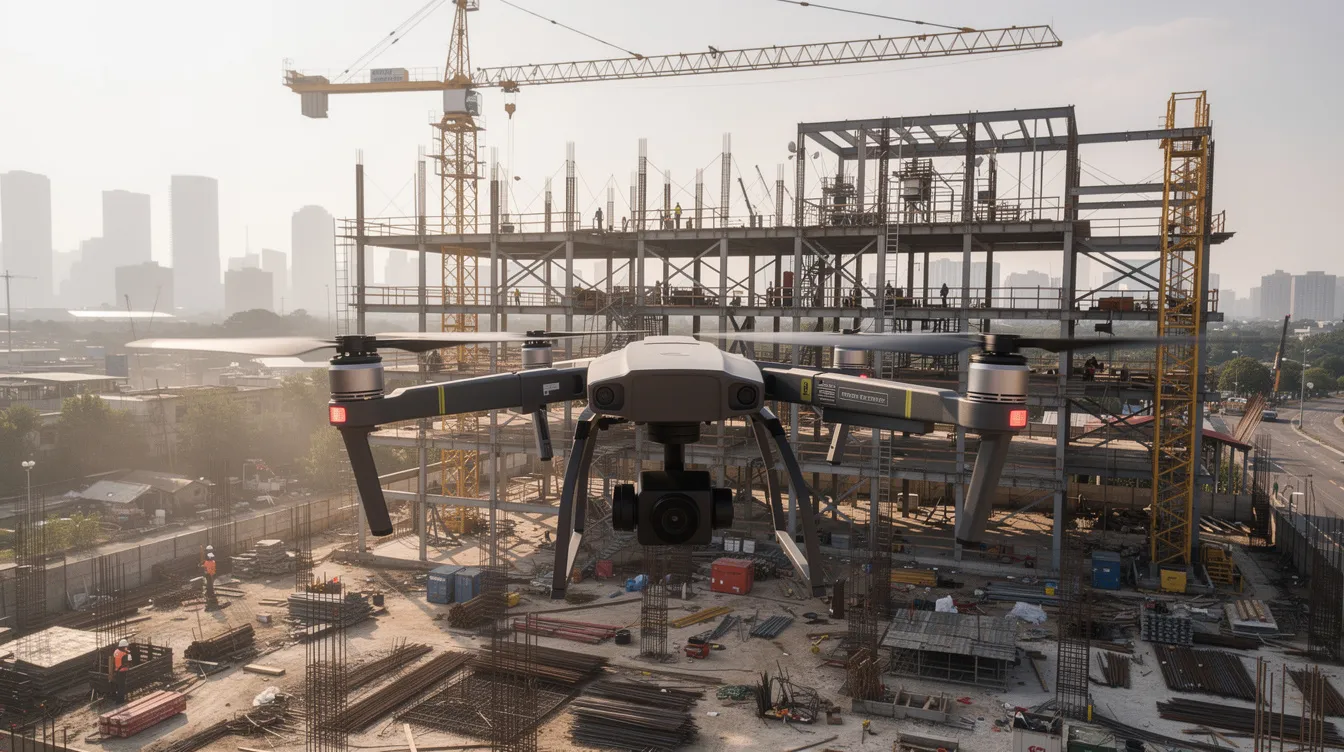
Eastern Pennsylvania contractors use drones for progress documentation, surveying, roof work, safety reviews, and marketing. But the more immediate strategic question in 2026 is not just how to fly legally under FAA rules. It is whether your company’s drone fleet could be affected by the tightening federal push against certain foreign-made unmanned aircraft systems, especially on federally funded work and other projects tied to government requirements.
That is the issue construction leaders have been watching as policymakers, agencies, and industry groups continue to debate what many contractors shorthand as a federal drone ban. As Construction Executive has reported, the concern centers on security restrictions tied to certain foreign-made drones, with practical consequences for contractors that rely on them on jobsites. For Eastern Pennsylvania firms working across Philadelphia, the collar counties, the Lehigh Valley, and Northeast Pennsylvania, the right response is not panic. It is inventory, contract review, and project-by-project planning.
This article explains what the current federal restrictions actually do, where they are most likely to affect construction companies, and what ABC Eastern Pennsylvania contractors should check now before a drone-dependent workflow collides with procurement or funding rules.
In construction conversations, “federal drone ban” often sounds broader than the rules actually are. No blanket nationwide prohibition stops every private contractor from flying every Chinese-made drone on every private jobsite. The more immediate federal issue is a growing set of procurement, funding, and security restrictions aimed at unmanned aircraft systems made or assembled by covered foreign entities.
That distinction matters. A contractor flying on a private commercial project may face a different risk profile than a contractor performing work for a federal agency, using federal funds, or supporting an owner or prime contractor that has adopted secure-drone purchasing requirements in response to federal law.
For many firms, the key business question is no longer, “Can this drone physically fly?” It is, “Can we still buy it, bill it to the project, operate it with federal funds, or satisfy owner and prime-contractor requirements if this aircraft is on our fleet list?”
The biggest operational change for contractors is that federal law now reaches beyond agency purchasing departments and into how federal funds are used. Federal acquisition rules prohibit executive agencies from procuring certain covered drones, and, on or after December 22, 2025, from using federal funds to procure or operate a Federal Acquisition Security Council-prohibited unmanned aircraft system unless an exemption, exception, or waiver applies.
That matters in construction because drone use often appears in broader contracts, grants, cooperative agreements, and reimbursable project costs. Federal agencies and some awarding bodies have also issued implementation guidance telling recipients and subrecipients that federal assistance cannot be used to procure or operate covered drones with those funds.
In plain English: if your drone program touches federally funded work, the issue may not be FAA flight legality alone. It may be whether the aircraft is allowable under the project’s funding and procurement rules.
Construction companies do not buy drones as a hobby item. They use them because drones can reduce ladder climbs, speed up progress capture, support mapping, document hard-to-reach conditions, and improve communication with owners and field teams. That is why a federal restriction on certain equipment can become a real operations issue rather than just a Washington policy story.
Common pressure points include:
For Eastern Pennsylvania contractors, that exposure can show up on transportation, utility, energy, public-building, institutional, and other jobs where federal money or higher security expectations are already part of the delivery environment.
Many contractors hear “federal drone ban” and assume it automatically grounds all restricted-brand drones everywhere. That overstates the current legal picture. A private contractor on a purely private job is not in the same position as an agency buyer or a firm charging drone operations to federally funded work.
But private work is not automatically insulated. The federal policy direction has already influenced owner expectations, insurer questions, and contractor planning. Construction Executive noted the broader industry concern that restrictions aimed at federal use can ripple through private-sector contractors because so much of the market has been built around a small number of dominant drone manufacturers.
That means even companies focused on private work should not treat this as someone else’s problem. If a fleet transition becomes necessary later, firms that map exposure early will be in a much better position than firms that wait until a contract or owner questionnaire forces a rushed answer.
Before debating brands or replacement schedules, review your project mix. The fastest way to misread this issue is to treat it as a pure equipment question when it is often a funding-and-contract question.
Start with these screens:
If you answered yes to any of those questions, your drone program deserves a focused legal and operational review before the next project mobilization.
Many companies know they “have some drones,” but not which exact airframes, modules, software dependencies, and replacement costs are tied to them. That is no longer enough.
A practical contractor inventory should identify:
This turns a vague policy concern into a decision document. Some contractors will find they have limited exposure because drones are used mainly for private marketing content. Others will find that drone-supported workflows already touch federally funded scopes often enough that they should begin a transition plan now.
One reason this topic gets messy is that two separate compliance systems are involved.
FAA compliance covers how you fly: remote pilot certification, registration, Remote ID where required, airspace authorization, visual line of sight, and other operating rules.
Federal secure-drone restrictions focus on what you can procure or operate with federal funds and whether the equipment comes from covered foreign entities.
A drone can be fully legal to operate under FAA flight rules and still create a contract or funding problem on a particular project. That is the core point many firms miss.
Contractors still need to maintain normal flight compliance. FAA Part 107 remains the baseline framework for most commercial construction drone operations under 55 pounds, including requirements such as keeping the drone within sight, avoiding manned aircraft, and following operating limits. Remote ID requirements also continue to apply to drones that must be registered or are registered. But those rules answer a different question than the federal ban issue.
This is a management issue, not just a pilot issue. The right response is a short internal review led by operations, safety, and whoever handles contracts or compliance.
1. Sort projects by exposure.
Separate purely private work from federal, federally assisted, and security-sensitive work.
2. Inventory the fleet.
Know exactly which aircraft you own, lease, or allow employees or subcontractors to use.
3. Review contract language.
Look for flowdowns or certifications tied to covered foreign entities, federal funds, or prohibited equipment.
4. Ask vendors and partners better questions.
Do not ask only about camera quality or battery time. Ask whether a proposed aircraft is suitable for federally funded work and how the vendor documents that position.
5. Build a transition plan before you need it.
If a meaningful share of your fleet would be problematic on federally funded work, create a phased replacement or project-segregation plan now rather than during mobilization.
6. Include subcontractors.
If subs bring their own drone operators for scanning, façade review, or documentation, their equipment can create the same project compliance problem.
Philadelphia institutional project. A contractor uses drones for façade documentation and progress imaging on a large project with public funding and multiple reporting layers. Even if the aircraft is FAA-compliant, the funding source and prime-contractor requirements may make a covered drone a contract problem.
Lehigh Valley industrial job along the I-78 corridor. A privately financed warehouse project may present less immediate federal-ban exposure. But if the firm uses the same fleet across both private and federally assisted work, management still needs a deployment policy instead of treating all projects the same.
Northeast Pennsylvania infrastructure work near the I-81 corridor. Drone use for surveying, embankment review, or progress capture may be operationally valuable, but infrastructure projects are exactly where federal funds, owner requirements, and documentation demands can converge. That makes early review especially important.
If your company already has a drone policy, this is the moment to update it. A strong policy should no longer stop at FAA operating rules.
Add sections that address:
This is also a good point to align drone oversight with broader safety resources and documented project controls. Drone use touches safety, technology, operations, and contract compliance all at once. Treating it as a side hobby run by one enthusiastic employee is exactly what creates avoidable risk.
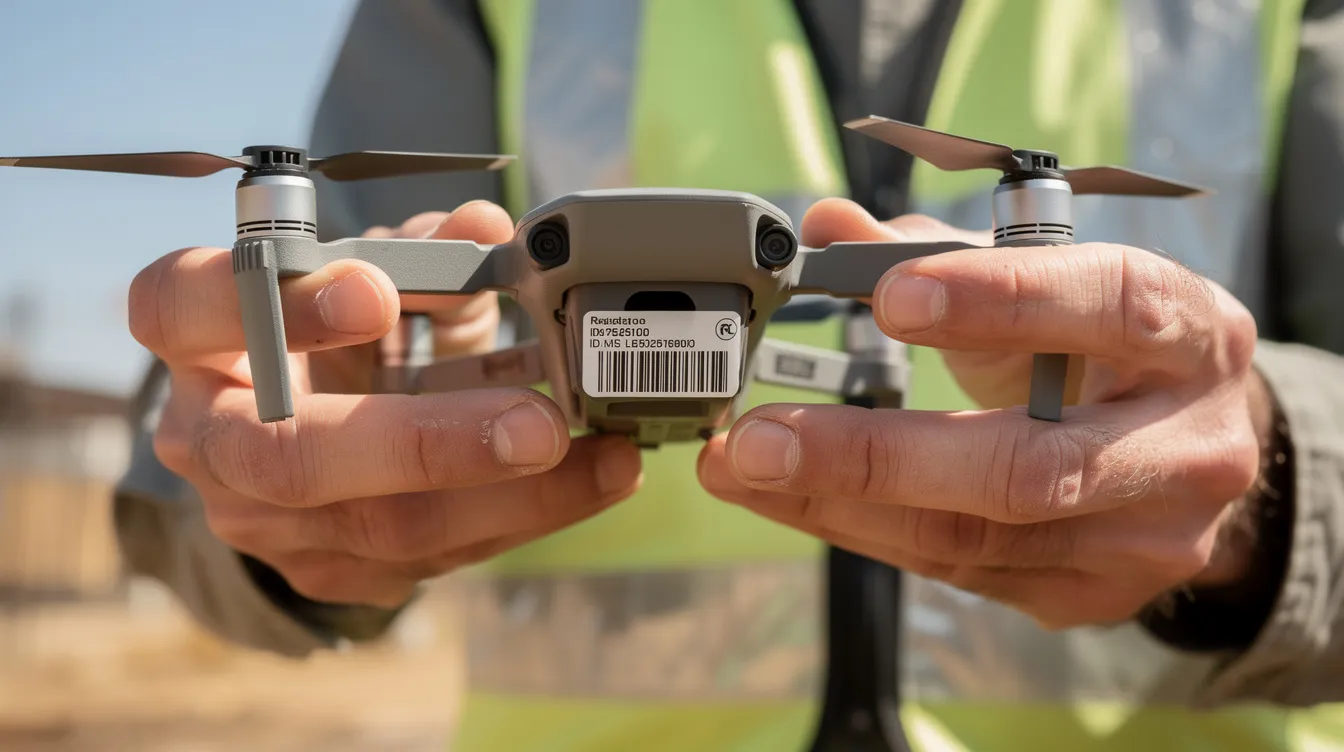
It does not mean every contractor in Eastern Pennsylvania must ground every drone tomorrow.
It does not mean FAA flight rules no longer matter; they still do.
And it does not mean every private project faces the same restrictions as a federal contract.
What it does mean is that firms should stop treating drone selection as a simple tech-buying decision. On some projects, it is now a procurement, funding, and compliance issue with real consequences for scheduling, reimbursable costs, and owner confidence.
ABC Eastern Pennsylvania contractors do not need to guess their way through this issue. The smarter move is to treat the federal drone ban question as an early warning about project delivery risk. Inventory the fleet, review where your money comes from, tighten your policy, and make sure the drone that helps you document the job today does not become the compliance problem that slows the job tomorrow.
For companies that want to strengthen their broader risk-management and field-planning systems, ABC Eastern Pennsylvania offers safety, training, and industry resources, and membership can help firms stay connected to regulatory developments that affect project execution.


