


If you are tracking contractor bid pricing inflation in Pennsylvania, the immediate takeaway is straightforward: September brought a sharp new jump in construction input costs. According to ABC National’s analysis of Bureau of Labor Statistics Producer Price Index data, overall construction input prices rose 2.2% in September 2026 and 11.2% from September 2025, while nonresidential construction input prices increased 2.3% for the month and 11.2% year over year. For contractors across Eastern Pennsylvania, that is not abstract economic news. It is a direct pricing and margin issue for open bids, delayed buyouts, and work in backlog with major materials still unpurchased.
This update explains what changed, which cost categories are driving the pressure, where contractors in Philadelphia, the Lehigh Valley, and Northeast Pennsylvania are most exposed, and what practical steps estimators, project managers, and executives should take now. The goal is simple: turn a national materials-price spike into a better local decision on repricing, procurement timing, and contract risk.
ABC National reported that construction input prices rose 2.2% in September 2026 and 11.2% year over year, based on its analysis of BLS Producer Price Index data. Nonresidential construction input prices increased 2.3% for the month and 11.2% over the same 12-month period. For Eastern Pennsylvania contractors, the practical issue is not just that costs are higher. It is that they moved quickly enough to invalidate older bid assumptions that have not yet turned into purchase orders.
Here is what that means right now:
Even if your company does not buy every volatile material directly, the effect can still move through subcontractor pricing, freight, fuel surcharges, fabricated systems, and supplier quote holds that expire faster than many bid schedules assume.
What estimators and project executives should do this week:
The core numbers are clear. ABC National reported that overall construction input prices increased 2.2% in September 2026 and 11.2% compared with September 2025. Nonresidential construction input prices climbed 2.3% for the month and 11.2% year over year.
Those figures are based on ABC’s reading of federal Producer Price Index data released by the U.S. Bureau of Labor Statistics on October 15, 2026. The BLS release showed broad September inflation pressure in producer prices, with final demand up 1.3% for the month and 6.3% over 12 months. ABC’s construction-specific analysis is the more relevant lens for contractors because it focuses on the materials and inputs the industry buys directly.
That distinction matters. Construction input prices are not the same as finished building prices, and they are not a simple measure of labor cost. They represent the cost of materials, products, fuels, and related inputs that can shift between estimate day and purchase-order day. When those inputs move quickly, fixed-price assumptions become less reliable until procurement is complete.
To put the exposure in practical terms, consider a hypothetical project with $2 million in materials. An 11.2% increase applied across that full material budget would raise that line by about $224,000. Actual project impact will vary by scope and timing, but the example shows why delayed buyout matters.
ABC’s September release highlighted energy and metals as key drivers of the latest spike.
These categories matter because they run through common nonresidential scopes across Eastern Pennsylvania. Fuel-sensitive materials affect sitework, paving, logistics, and hauling. Metal volatility affects structural steel, conduit, wire, piping, ductwork, and many fabricated building components. Higher energy costs can also ripple through manufacturing and transportation even when the final purchased item is not obviously fuel-based.
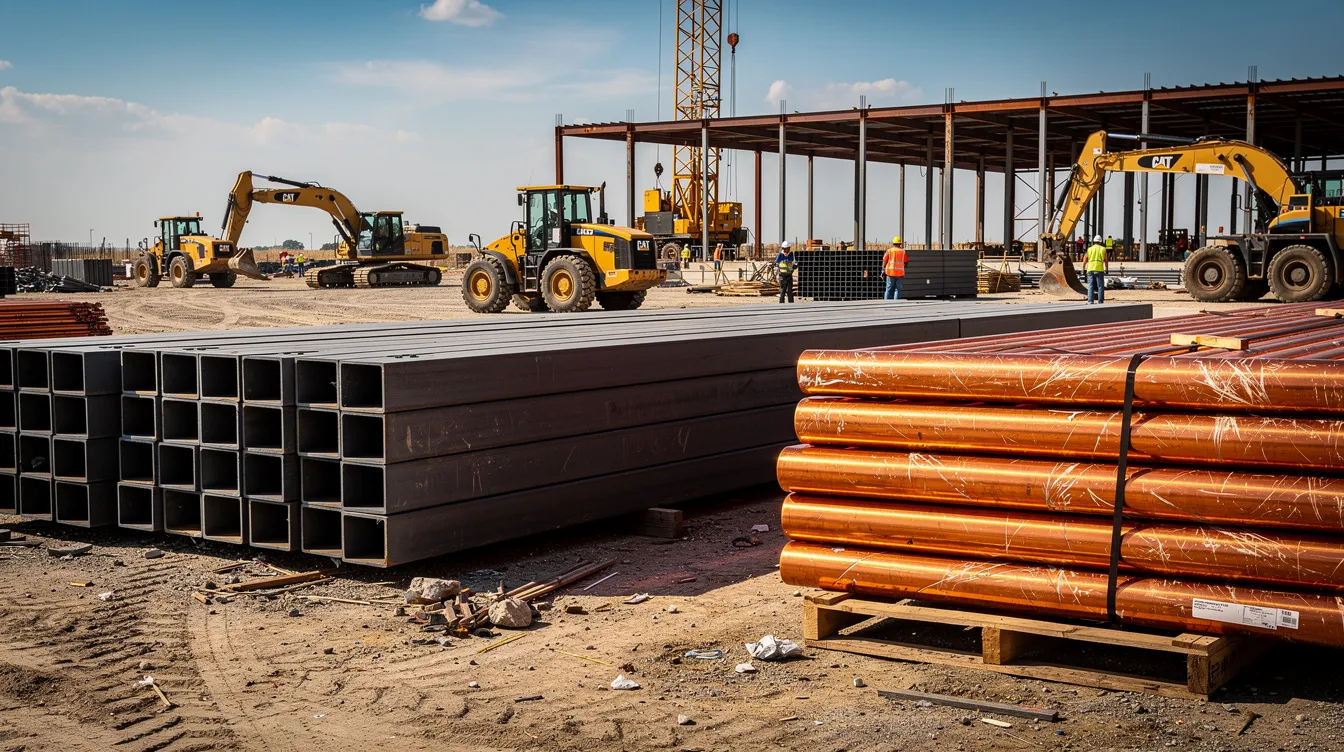
The immediate procurement implication is simple: high-volatility line items deserve shorter review cycles, more frequent requoting, and better documentation of when a price was received and when it expires.
Margin erosion usually does not show up all at once. It starts in the gap between estimate and buyout, especially when contractors carry fixed prices while suppliers shorten hold periods or reprice volatile materials.
For example, imagine a hypothetical $5 million project that includes $2 million in materials. If those materials rise by 11.2% before buyout, that could add roughly $224,000 to cost. Depending on the original fee structure, that increase could materially weaken or eliminate expected profit.
The Eastern Pennsylvania angle is practical, not statistical. Firms across Philadelphia, the suburban counties, the Lehigh Valley, and Northeast Pennsylvania routinely compete in environments where owners expect disciplined pricing and where delayed procurement can quickly become a problem. In that setting, protecting margin means updating assumptions faster, not simply bidding harder.
September’s jump is a good reason to segment your current pipeline and backlog into distinct pricing-risk buckets.
Start your repricing review with the items most likely to move fast or affect multiple trades: structural steel, copper-related products, fuel-sensitive materials, roofing inputs, and fabricated assemblies with embedded metal or freight exposure.
This is also a good time to revisit internal estimate management. If a quote, allowance, or unit cost is based on an older market snapshot, label it clearly. Teams should know which numbers are current, which are aging, and which require supplier confirmation before a proposal can safely stand.
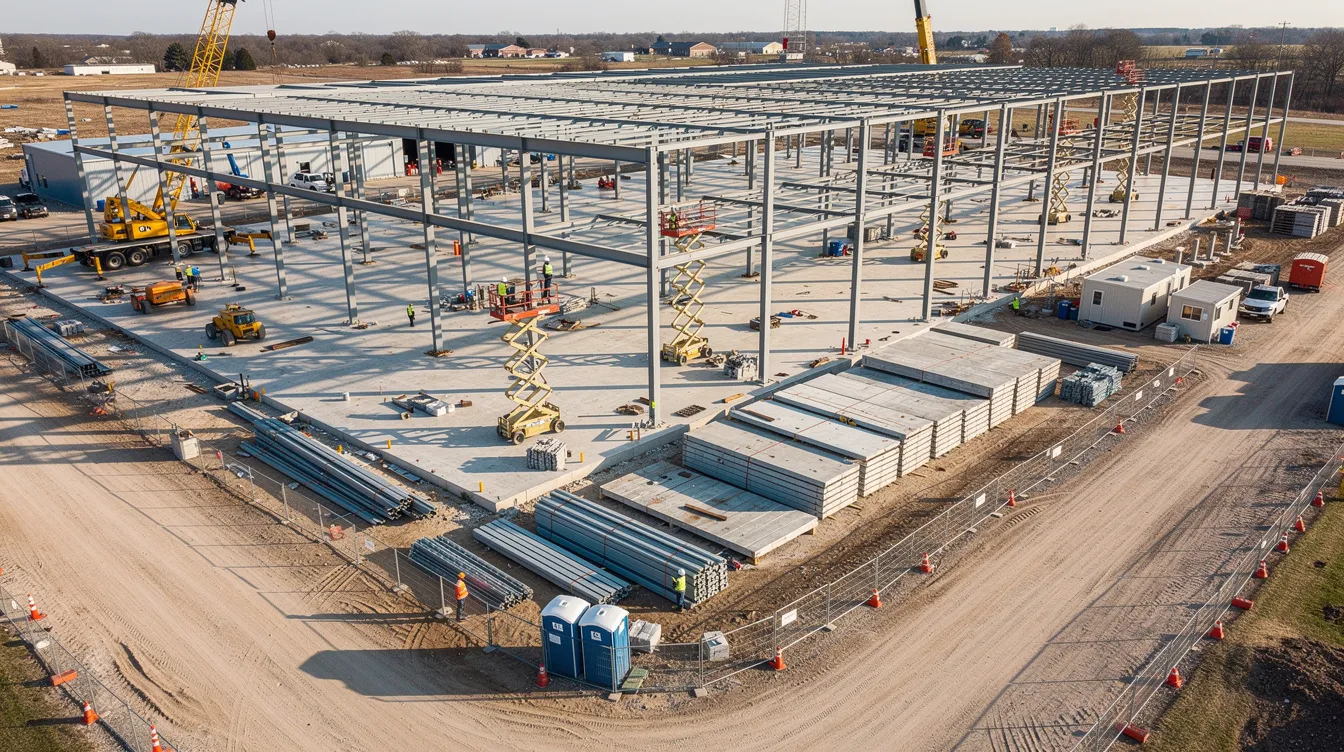
Contract language cannot stop inflation, but it can define how inflation risk is allocated.
On negotiated work, owners may be more open to shared-risk mechanisms when contractors present them early and clearly. On hard-bid public work, options may be narrower, but disciplined assumptions and documentation still matter. Contractors should coordinate contract strategy and escalation wording with qualified legal counsel before submission.
ABC Eastern Pennsylvania serves 17 counties across Philadelphia, the suburban collar counties, the Lehigh Valley, and Northeast Pennsylvania. That regional footprint matters because the same national input-price spike can show up differently depending on project mix.
The point is not that one submarket is uniformly harder than another. Contractors should match their risk review to the scopes they actually buy and the timing pressures they actually face.
September’s spike is also a systems test. Contractors with tighter pricing controls tend to identify exposure earlier and respond faster.
These are not just best practices for unusual months. They are practical controls for any environment where input prices can move faster than a standard bid cycle.
If your company is carrying work priced before the September jump, now is the time to review it.
ABC Eastern Pennsylvania news and trends can help contractors monitor new industry updates. ABC Eastern Pennsylvania membership connects firms with training, advocacy, and regional business resources, and the About Us page outlines the chapter’s service area across Eastern Pennsylvania.
Contractors cannot control national input-price movements. They can control how quickly they recheck assumptions, how clearly they communicate risk, and how carefully they structure bids and contracts. In this environment, response speed matters almost as much as pricing accuracy.

How does a 2.2% monthly input-price increase affect an existing bid?
It depends on how much of the job remains unpurchased and which materials are involved. For example, if a project includes $1.2 million in exposed materials, a 2.2% increase would add about $26,400. Actual impact will vary by scope, supplier timing, and contract structure.
When should contractors ask for an escalation clause?
No single rule applies to every job, but escalation language matters more when a project has a long gap between bid and procurement or when high-volatility materials make up a meaningful share of the work.
What if an owner refuses escalation language?
Consider other ways to narrow exposure, such as shorter bid-validity periods, targeted allowances, unit-price treatment for volatile items, or, where feasible, earlier procurement of high-risk materials.
How often should estimating assumptions be updated in this environment?
Volatile categories may require review in line with supplier quote periods rather than a fixed calendar. At a minimum, teams should know which pricing is current, which is aging, and which must be requoted before submission.
Where can contractors get ongoing regional support?
ABC Eastern Pennsylvania provides regional construction news, training, and membership resources for contractors working across Philadelphia, the suburban counties, the Lehigh Valley, and Northeast Pennsylvania.


