


Associated Builders and Contractors is now the first building and construction association in the United States to earn national Recovery Friendly Workplace certification. The White House recognized that certification in September 2026 as part of the federal government’s strategy to expand workplace support for people in recovery. For Eastern Pennsylvania contractors operating across Philadelphia, the Lehigh Valley, and Northeast Pennsylvania, this offers more than a headline: a construction mental health workplace benchmark with measurable standards that any company can use to evaluate its policies, benefits, and supervisor practices.
Construction workers face unique high-stress environments driven by demanding schedules and physical strain. Creating a supportive workplace culture is essential to promoting mental health effectively in construction. The question for owners, safety directors, and HR leaders in this region is no longer whether to address substance use and mental health on jobsites. It is whether your current approach meets a nationally recognized standard.
This article will help you decide:
In March 2025, Associated Builders and Contractors announced it was the first U.S. building and construction association to achieve certification as a recovery-friendly workplace from the National Recovery Friendly Workplace Institute, part of the Global Recovery Initiatives Foundation. The certification recognizes ABC’s commitment to fostering a supportive environment for employees in recovery from substance use disorder, including opioid misuse, as well as their families. Recovery Friendly Workplace programs aim to support employees in recovery and to prevent substance use disorders before they escalate. Today, 31 states are implementing Recovery Friendly Workplace programs at various levels.
On September 24, 2026, the White House Office of National Drug Control Policy held a National Recovery Month event centered on recovery-friendly workplaces. The event recognized ABC’s certification as an example of employer-led progress. The White House stated that increasing the number of recovery-friendly workplaces is a priority of the National Drug Control Strategy. An estimated 23 million Americans are in treatment or recovery, making employment support a public health and economic priority. SAMHSA promotes evidence-based treatment resources during National Recovery Month and provides 24/7 helpline guidance for substance abuse concerns, reinforcing the connection between workplace policies and broader community health.
This federal attention signals that recovery-friendly workplaces are now embedded in national strategy for addressing substance use, substance misuse, and worker well-being. For Eastern Pennsylvania contractors, it elevates the conversation from an optional wellness program to a recognized standard that may influence future contract expectations, insurance practices, and workforce retention.
ABC reports the certification is built around four requirement areas. Each one translates directly into how a contractor runs their business, manages their people, and supports recovery.
The four domains, with a construction-focused example for each:
Employers must provide reasonable accommodations under the ADA when supporting workers in recovery. The certification does not create a legal mandate, but it sets expectations that align with existing federal employment law.
ABC’s Total Human Health Initiative frames substance use education and well-being as part of every employer’s value proposition for workers and their families. This is not just a benefits add-on. It means integrating mental health, substance use support, physical safety, and overall wellness into one strategy.
Construction mental health initiatives should integrate psychological safety alongside physical safety. Construction companies need to address systemic workplace stressors to positively impact mental health. Managing unrealistic job demands, low worker control, and inadequate supervisory support helps mitigate stress that contributes to substance use and mental health problems.
For Eastern Pennsylvania contractors, the stressors are concrete and regional:
Adopting a Total Human Health mindset means connecting these realities to your safety systems, like STEP and the ABC-OSHA Partnership, rather than building a separate mental health track. The recovery-friendly certification is one concrete expression of that integration.
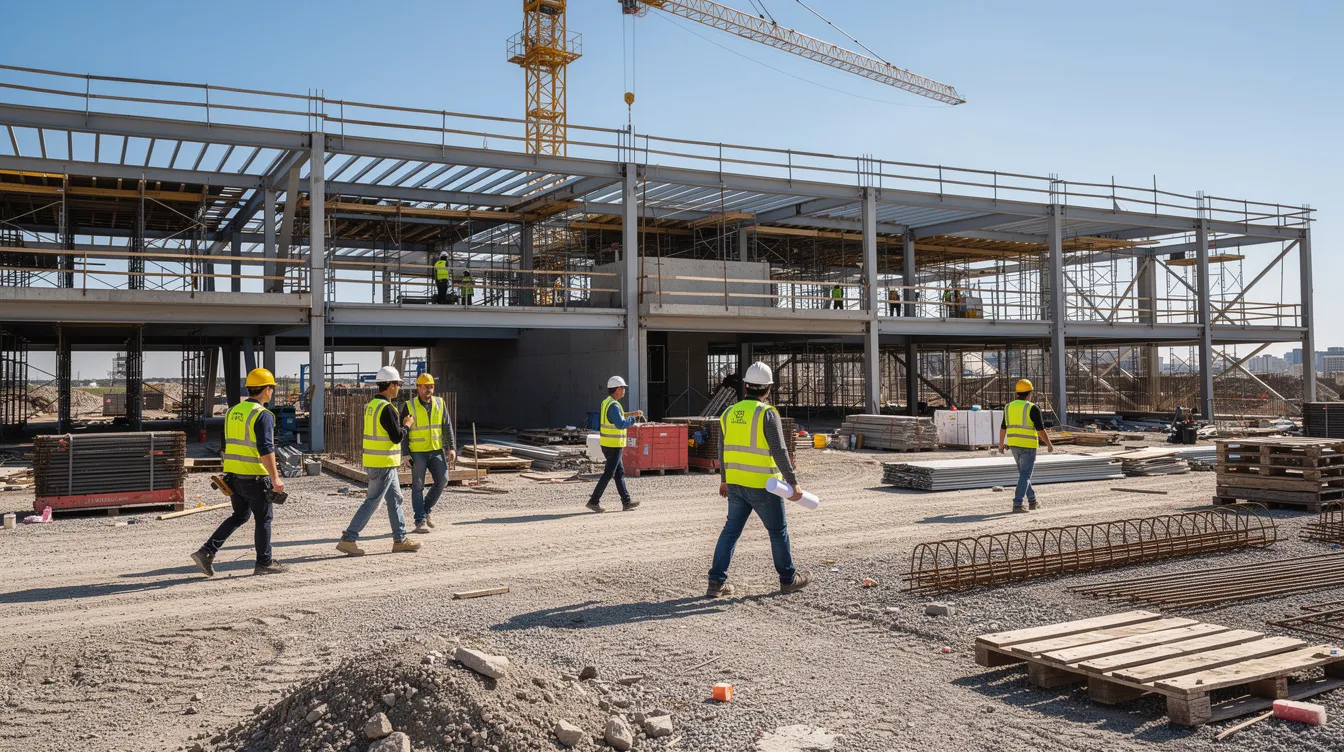
In construction, supervisors, foremen, and project managers see behavior changes before HR does. They notice when someone is not themselves on a scaffold, behind a wheel, or in a confined space. That makes recovery-friendly practices a frontline leadership expectation, not just an HR policy.
Leadership must actively talk about mental health to normalize the conversation within construction teams. Supervisors should be trained to recognize early warning signs of distress among construction workers. Peer support networks can empower construction workers to look out for each other’s mental well-being. When 84.3 percent of construction workers reporting anxiety or depression did not see a mental health professional in the past year, and 45 percent felt ashamed to discuss these issues at all, the gap between need and action is enormous.
A recovery-friendly workplace does not turn a contractor into a treatment provider. It sets clear expectations:
The contrast matters. A discipline-only model drives problems underground. A recovery-aware model holds people accountable for safety while offering pathways to treatment, return-to-work, and a recovery journey that keeps skilled workers in the industry.
Measuring progress and evaluating mental health programs ensure they are effective and meet worker needs. Before you can improve, you need to know where you stand. A simple self-assessment using the four certification domains gives owners, safety directors, and HR leaders a structured way to evaluate their own construction mental health workplace practices.
Consider forming a cross-functional review team that includes at least one field supervisor from each operating region, whether that is Philadelphia, the Lehigh Valley, or Northeast Pennsylvania. Different project types and crew demographics may reveal different gaps.
Use these diagnostic questions as a starting point:
Recovery-friendly workplace expectations must be written into policies that survive leadership turnover and apply consistently from a Center City Philadelphia renovation to a Scranton warehouse project. If your practices depend on one supervisor’s good instincts, they will not scale.
Pull these documents off the shelf and review them through a recovery-friendly lens:
Other industries offer instructive examples. Leidos reduced opioid prescription lengths by 57 percent through workplace policy changes, demonstrating that targeted initiatives can address opioid use disorder at scale. A 57 percent reduction in opioid prescription length achieved by Leidos shows what focused employer action looks like. Align your policies with existing safety programs, and if your projects involve union or project-labor-agreement requirements, ensure consistency without creating conflicting expectations. This is not legal advice; consult qualified counsel for compliance questions.
The best policies fail without trained supervisors. A foreman on a Philadelphia hospital renovation night shift or a Lehigh Valley warehouse tilt-up crew needs more than a binder. They need practical conversation tools and confidence in what to do.
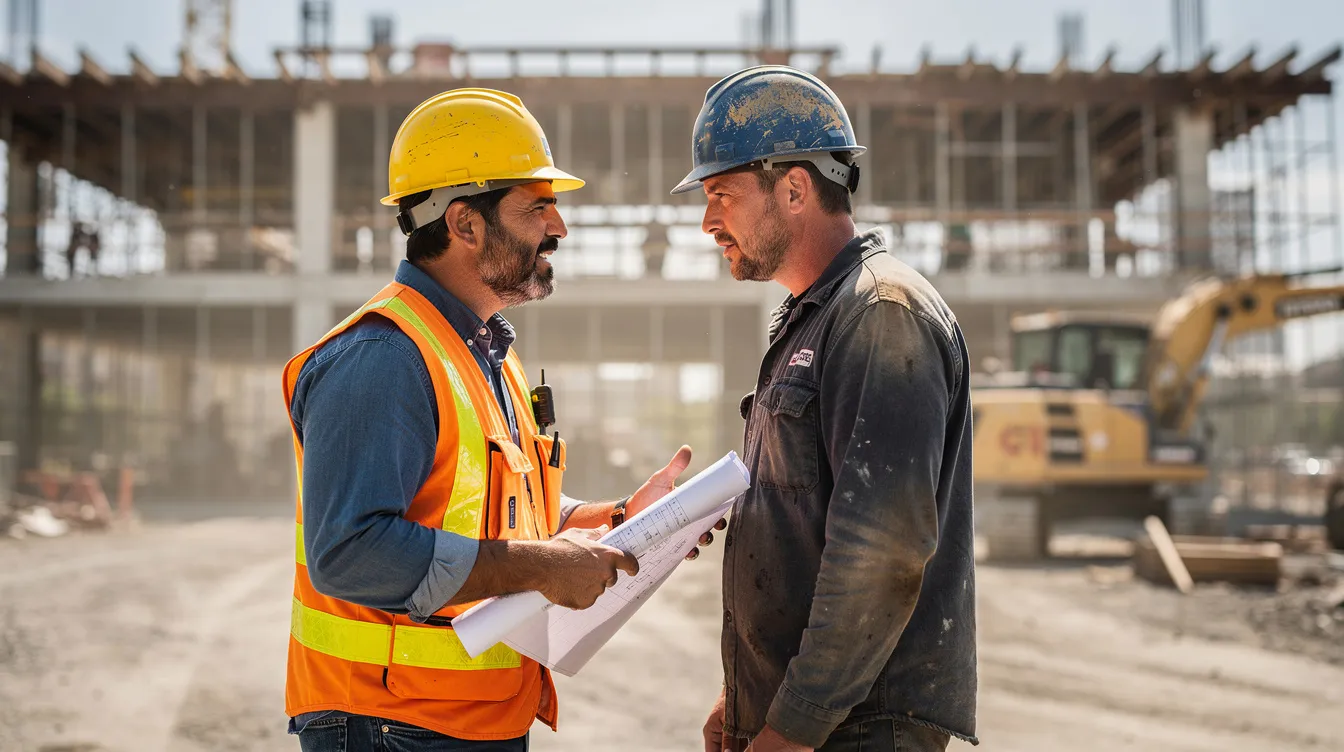
Every supervisor training module should include:
Provide training that helps supervisors advocate for their crews while maintaining occupational safety standards. Integrate these elements into existing safety committee agendas and pre-task plans.
A recovery-friendly workplace standard assumes workers actually know what help is available. Employee Assistance Programs provide confidential support and counseling for construction workers, but only if people know they exist and trust using them.
Concrete visibility tactics for Eastern Pennsylvania contractors:
Providing access to crisis helplines, such as the 988 Suicide and Crisis Lifeline, can support distressed workers. Employers can access public health resources like naloxone for opioid support as part of harm reduction efforts. Employers can access naloxone to support harm reduction at the jobsite or office level. SAMHSA promotes evidence-based treatment resources for mental health that employers can reference alongside company-specific benefits, and those public resources can also help workers or families seeking support for substance abuse. Encourage employers to expand access to these tools as part of a prevention strategy to prevent substance use escalation before it reaches crisis levels. These public resources do not replace employer responsibility but broaden access to confidential support for the entire workforce.
Contractors already participating in ABC’s STEP safety program or the ABC-OSHA Partnership have infrastructure in place. Recovery-friendly practices do not require a parallel system. They fit into what you are already doing.
Existing systems where recovery-friendly elements can be embedded:
The NIOSH Total Worker Health program, run by the National Institute for Occupational Safety and Health, includes 10 Centers of Excellence for worker health and funds research to improve worker safety, including the intersection of occupational safety and mental health. These national research priorities reinforce why integrating wellness into safety systems is where the industry is headed.
Recovery-friendly practices also support workforce development goals. Retaining experienced craft professionals and apprentices in Eastern Pennsylvania’s tight labor market reduces re-hire and retraining costs. When companies support recovery, they keep skilled workers in the communities and on the projects where they are needed. Share lessons learned through ABC Eastern Pennsylvania peer groups, safety roundtables, or member events to expand the impact across the region.
A 90-day roadmap breaks this into manageable phases for mid-sized contractors. You do not need a corporate wellness department to start. You need leadership commitment, a policy review, and visible follow-through.
The national recovery-friendly workplace certification is a benchmark, not a finish line. It matters for Eastern Pennsylvania contractors because it connects employee health, safety, productivity, and retention into a single, measurable framework. It creates expectations around how organizations develop their culture, how employers encourage employees to respond to substance use and mental health concerns, and how companies contribute to the economy and the lives of the people who build it.
Start with the review. Train your leaders. Make your resources visible. The certification is a useful benchmark only if it changes what crews and supervisors actually see and experience on jobsites across Eastern Pennsylvania this quarter.


