


On Eastern Pennsylvania job sites, from Philadelphia hospital renovations to Lehigh Valley warehouse builds to institutional projects in Scranton, most construction disputes come down to one question: what can you prove? Not what you remember. Not what your superintendent swore happened six months ago. What you can prove with records created while the work was still happening.
Construction dispute documentation is the set of contemporaneous, project-generated records that trace what was planned, what actually happened, when it happened, and who authorized changes. That includes the construction contract itself, change orders, daily construction reports, RFIs, emails, texts, jobsite photos, schedules, and cost backup. Construction Executive has highlighted how documentation can shape construction disputes. The financial and reputational consequences of poor records are real, and they hit mid-size Eastern Pennsylvania contractors just as hard as national firms.
This article walks general contractors and specialty contractors through what to document from day one to protect payment, schedule relief, and reputation. The guidance draws on industry insight from Construction Executive and American Bar Association construction resources, translated into practical steps for contractors working across Philadelphia, the collar counties, the Lehigh Valley, and Northeast Pennsylvania. Strong records also support earlier resolutions by clarifying the facts before a dispute hardens into mediation, arbitration, or court.
Every dispute traces back to the contract. The construction contract and other contract documents set the rules for notice, changes, delays, payment, and documentation requirements. If your project team does not assemble and store these records on day one, you begin the job at a disadvantage. Without the original agreement, drawings, and specifications, it becomes harder to prove what was included in scope and what was not.
Collect and organize these documents as soon as a project starts:
Pay close attention to notice and claim provisions. Public and private contracts may impose strict written-notice deadlines for changes, delays, differing site conditions, and payment disputes. Missing those contract windows can weaken an otherwise valid claim, so project teams should review the actual notice language at kickoff instead of relying on memory or assumptions.
Clarify authority early. Who can issue directives on behalf of the owner, architect, engineer, or construction manager? Who can sign change orders? Who can approve or reject scope changes for each subcontractor? Preserve supporting records such as inspection reports and maintain version histories for revisions so no one can later dispute what was agreed.
Firms operating across Philadelphia, the suburban counties, the Lehigh Valley, and Northeast Pennsylvania should adopt a standard contract-launch checklist. When every project starts with the same documentation foundation, record discipline becomes a company standard instead of an individual habit.
Construction projects generate a huge volume of records, but a relatively small core set often decides disputes. Establish a central repository for project records at the start of every job and maintain a master log to track key documents. Here is what belongs in that repository:
Real-time records usually carry more weight than after-the-fact reconstructions. ABA Construction Resources and Construction Executive both emphasize the value of records created while the work is ongoing.
Consider a practical example: on a Berks County warehouse project, steel scheduled for Monday arrives three days late. The superintendent notes the delay in that day’s report, photographs the empty bays, and saves emails from the supplier confirming the shipment problem. The superintendent then issues written notice under the contract. If slab placement is pushed back because the structural supports are missing, the contractor has daily reports, photos, supplier correspondence, and a schedule update all pointing to the same event. Without those records, the claim rests mostly on memory.
Daily reports often make or break construction claims. In arbitration or litigation, a detailed log written on the day the work occurred usually carries more weight than a recollection assembled months later.
A strong daily report on an Eastern Pennsylvania project should capture:
Daily logs should consistently record weather, labor counts, and equipment use. Track disputed or changed work separately, where possible, so you can isolate time and cost impacts later. A running chronology built from daily reports makes it much easier to show cause and effect if a dispute emerges.
Document potential dispute triggers as they happen. If trades are stacked in a tight Philadelphia hospital renovation and productivity drops, note the affected area, the time period, and which trades were competing for space. If another contractor occupies a work area longer than planned on a Lehigh Valley project, record the hours lost and the scope affected. Use factual language, not blame-driven language. For example: “Structural steel delivery delayed; work in bay C paused until beam placement resumed at 11:00 a.m.”
When a quality issue appears, note when you first observed it, who you notified, and what action followed. That discipline turns a routine field form into powerful evidence later.
Standardize forms across the company and train superintendents and foremen to complete daily reports before leaving the site each day. ABC Eastern Pennsylvania’s career development programs can also support project leaders who need stronger habits in documentation, communication, and project controls.
Photos and videos can be more persuasive than text alone. A judge, arbitrator, mediator, or opposing party can understand water infiltration, damage, blocked access, or incomplete work much faster from a clear image than from a long written description.
Use photos systematically to document:
When something goes wrong, capture it promptly. Photograph damage, unsafe conditions, utility conflicts, water intrusion, surrounding-property impacts, or unexpected existing conditions in older Philadelphia or Scranton buildings. Take both wide shots for context and close shots for detail.
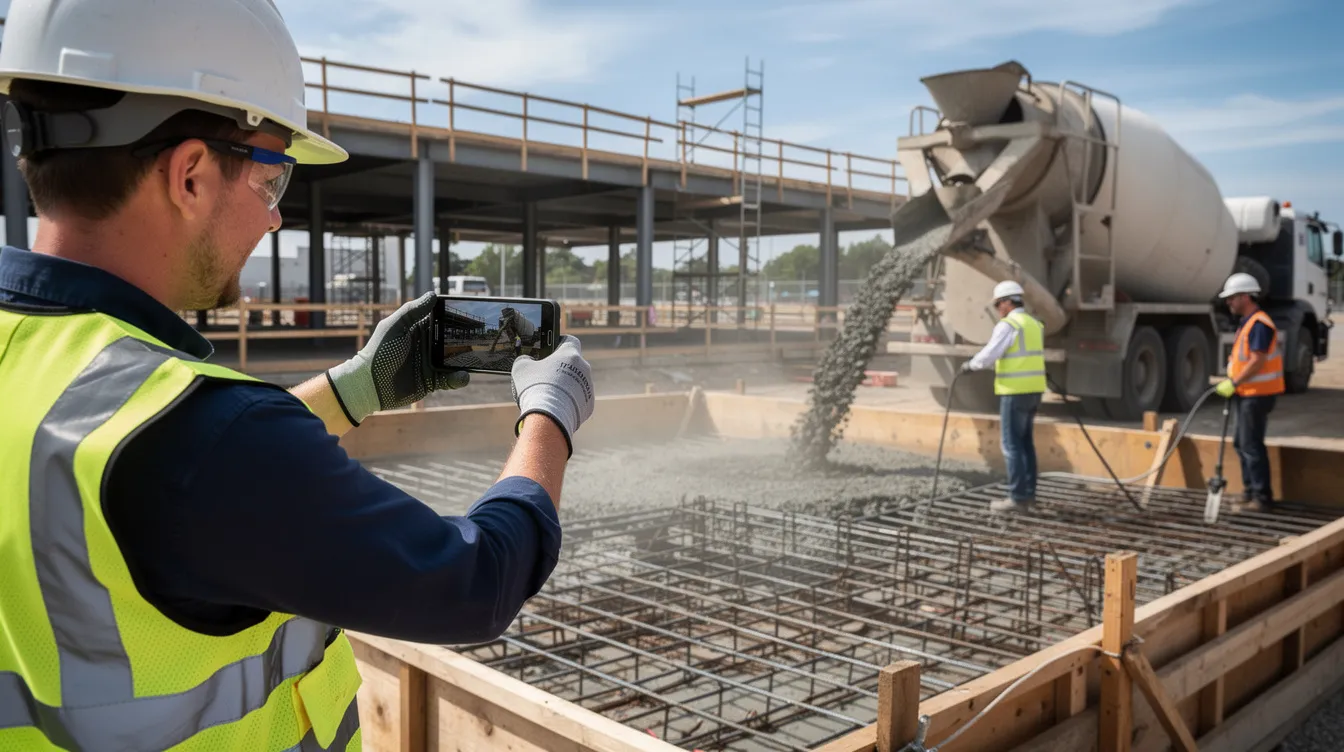
Best practices for capture and storage include:
Photos become even more useful when paired with inspection or testing records. If a defect or damage issue may involve insurance, contractual notice, or formal claims, project teams should also coordinate early with appropriate internal leadership and outside advisors as needed.
Many scope and quality disputes turn on how RFIs, submittals, and meeting minutes documented clarifications, approvals, or rejections. These records show what was asked, what was answered, and who made the decision.
Strong RFI documentation includes a clear question tied to a specific drawing or specification reference, a proposed solution where appropriate, and a documented response from the design team or owner. An unanswered RFI can become part of a delay argument, especially if the log clearly shows when the question was submitted and how long it remained unresolved.
Submittals and shop drawings help establish what materials, systems, and methods were reviewed and approved. Record revision numbers, approval status, and any written notations. Those details help lock expectations in place.
Treat meeting minutes from owner-architect-contractor meetings, coordination meetings, and safety meetings as formal project records. Each set should include attendees and their roles, decisions made, action items, responsible parties, and due dates. Save related emails and written follow-up tied to those meetings.
Log these records by issue and by date. For example, an RFI about a steel connection should connect to any later change-order request, meeting discussion, and delay notice tied to the same issue. When the documentation chain is consistent across records, the project story becomes much harder to challenge.
Many Eastern Pennsylvania disputes start with denied, late, or informal scope changes. The contract usually defines which documents modify price and time, so it matters whether the project team is dealing with a formal change order, a construction change directive, a field work order, or a verbal instruction.
A dispute-ready change order should include:
Keep complete copies of all change requests, change orders, supporting backup, and related correspondence. If costs tied to disputed work are tracked separately from base-scope costs, the financial side of a later claim becomes easier to prove.
Project teams should notify owners or upstream contractors of changes within the deadline stated in the contract. One of the most common reasons otherwise supportable claims fail is that the written notice came too late or did not meet the contract requirements.
Informal communications often reveal the first sign of a scope shift. Texts and emails frequently show how changes, delays, and field directions were actually handled before formal paperwork caught up. That is why they need to be preserved.
Adopt a simple company rule: if a field directive is given by phone or during a walk-through, confirm it in writing the same day. For example: “Per today’s field discussion, we understand the ductwork is to be relocated from gridline D to gridline E. Please confirm.” Then follow with the formal documentation required by the contract.
Time can be as valuable as money on projects with tight milestones, sequencing pressure, or liquidated damages exposure. Schedule records often sit at the center of delay disputes.
Preserve these schedule documents on every project:
Connect daily reports and photos to specific schedule activities where possible. If a crane outage in Allentown delays critical-path structural steel, the daily report should identify the affected work and note the disruption duration.
A written delay notice should describe the event, identify the activities affected, estimate the duration if known, and request direction or time relief as required by the contract. Even if a delay appears manageable at first, documenting it while the job is active helps protect the contractor if later events compound the impact.
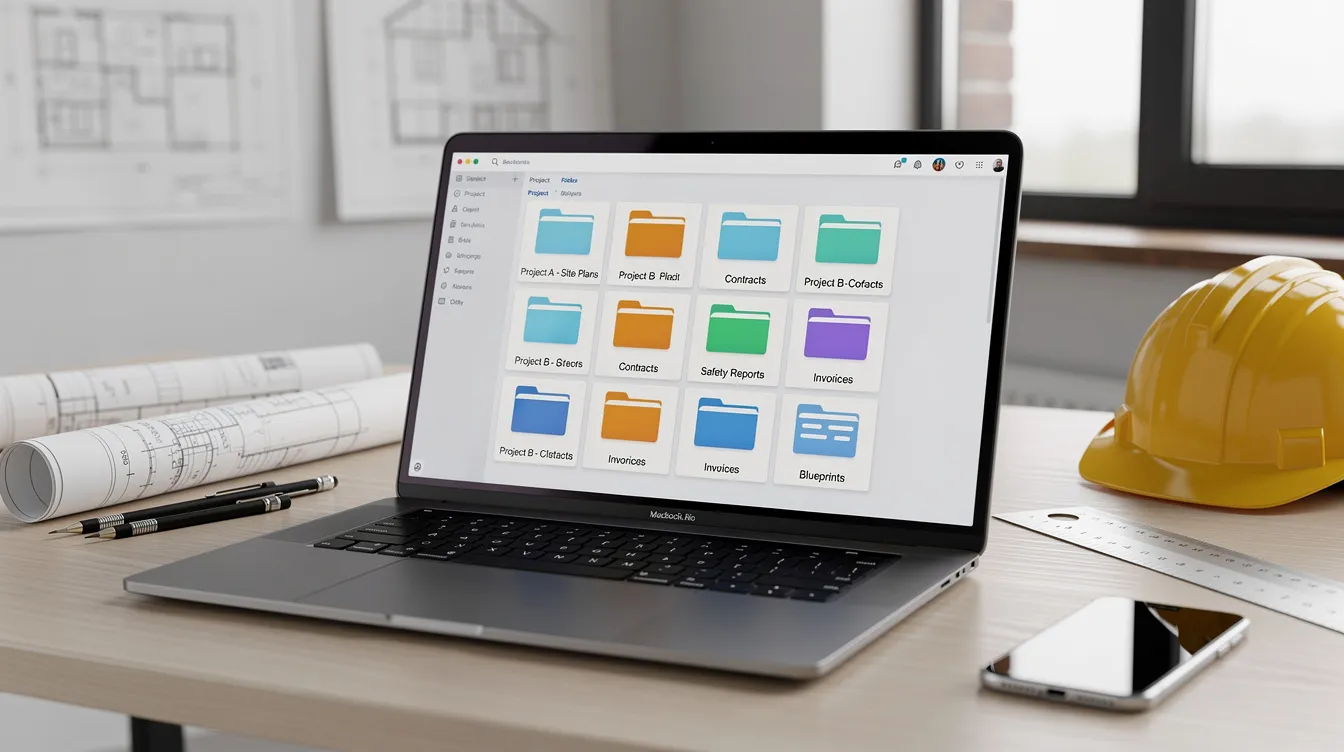
Many Eastern Pennsylvania contractors are running multiple jobs across Philadelphia, the suburban counties, the Lehigh Valley, and Northeast Pennsylvania at the same time. Without disciplined file management, records scatter across inboxes, phones, personal drives, and truck consoles. When a dispute hits, retrieval slows and costs more.
Adopt a simple, repeatable folder structure for every project:
Version control matters. Name revised drawings and schedules clearly, store native files alongside PDFs when appropriate, and do not overwrite earlier versions. A superseded schedule or marked-up drawing may later become the key evidence showing what was known at a specific point in the job.
Assign ownership for major record categories on each project: project manager for change orders and RFIs, superintendent for daily reports and photos, project administrator for correspondence and filing. When ownership is clear, documentation gaps shrink.
Dispute-ready documentation is less about assembling one large binder at closeout and more about daily discipline built into company culture. The best records come from teams that treat documentation as part of the work, not as paperwork added after the work.
Leaders can reinforce that by:
Companies already tracking toolbox talks, near misses, inspections, and OSHA-related records are partway there. The same discipline that protects workers on the jobsite also strengthens the company’s position if a dispute develops.
ABC Eastern Pennsylvania supports members with training for project leaders who need stronger skills in documentation, communication, and risk management. The chapter’s regional network also gives contractors a place to compare systems and field practices with peers working in similar markets.
Do not wait for the next dispute to start building better records. Pick one active project this week and run through this checklist:
For contractors also thinking ahead to dispute escalation, related preparation for mediation can strengthen how these records are used later. See Construction Dispute Resolution in Eastern Pennsylvania: How to Prepare for Mediation.
For contractors looking to strengthen broader internal systems, ABC Eastern Pennsylvania membership connects firms with training, safety resources, and peer networks across the region.
When a dispute arises, the quality of your documentation often matters almost as much as the quality of your work. The records your team creates today may become the evidence you need tomorrow. Start now.


