


Picture an Eastern Pennsylvania contractor in early 2027 evaluating a new institutional project in Philadelphia. Crew payroll starts in week two. The first pay application may not be submitted until week four, and after review and owner processing, actual cash may not reach the bank until week six or later. That creates a multi-week gap where money goes out before money comes in. Construction cash flow management is the discipline that turns that timing reality into a go-or-no-go decision before dispatching a single worker.
Many contractors know this pressure firsthand: construction projects often start with negative cash flow because labor, materials, equipment, and mobilization costs arrive before the first collection. A profitable contract on paper can still create a dangerous liquidity gap if payroll lands weeks before collections. The practical solution is a payroll-to-collections map: a simple weekly schedule that shows expected cash out, expected cash in, the lowest projected cash position, and whether the company needs additional working capital, a line of credit, or schedule adjustments before mobilization. ABC Eastern Pennsylvania supports contractors with management education and peer connections that can help make this a repeatable discipline across every serious bid.

Cash flow on a construction project is simply money coming in versus money going out over a specific period. Cash inflows can include progress payments, approved change orders, mobilization advances, and retainage releases. Cash outflows can include payroll, subcontractor draws, material costs, equipment rentals, insurance, taxes, and other expenses.
Net cash flow equals cash inflows minus cash outflows for a given week or month. A project can show a healthy overall margin in the budget yet still generate weeks of negative cash flow when large payroll obligations or material purchases hit before collections arrive. Company-wide cash flow combines every active project plus overhead and financing obligations, but the trouble often starts at the job level, where one project’s timing gap can drain cash needed for others.
A cash flow projection estimates future inflows and outflows by date, not just by budget category. It answers a question that year-end profit cannot: will we have enough cash in week seven to make payroll? In construction, the pattern is familiar. Early project stages often produce immediate cash outflows as crews mobilize and materials arrive. Outflows may peak during active production, while inflows trail because billing, review, and payment processing take time. Near the end of the job, the remaining cash picture often depends on final payments, punch-list closeout, and retainage release.
For example, suppose a contractor pays $70,000 in payroll and materials this week but will not receive a $90,000 progress payment until next month. The job may still be profitable, but cash on hand drops by $70,000 right now. Without a projection, that gap may stay invisible until the checking account confirms it.
Construction Executive has emphasized that the best cash-flow fixes usually happen before a project starts, not after crews are already in the field. Contractors often carry significant mobilization costs, including payroll, equipment deposits, and supplier invoices, well before the first progress payment is received. For Eastern Pennsylvania firms managing public, institutional, industrial, or logistics work, that timing pressure can intensify when documentation requirements and layered approval paths stretch collection timelines.
That is why construction cash flow management is not just an accounting task. It is a pre-mobilization risk decision that belongs alongside bid review, safety planning, and workforce planning. It also connects directly to disciplined construction management agreement review, because payment terms, retainage, notice requirements, and change-order procedures all affect when cash actually arrives.
Before saying yes to a job, every contractor should:
The map is typically a 13-week, or full-project, weekly spreadsheet that lines up cash outflows and expected inflows on a calendar rather than in a budget summary alone.
Cash outflows to plot by week:
| Category | Details |
|---|---|
| Crew payroll | Base wages, overtime, fringe benefits, and labor burden |
| Subcontractor draws | Scheduled payment applications from subcontractors |
| Materials and equipment | Deposits, deliveries, rental invoices, and fuel |
| Insurance and taxes | Premiums, payroll taxes, and workers’ compensation costs |
| Overhead allocations | Office costs and project-management time assigned to the job |
Cash inflows to plot by week:
| Category | Details |
|---|---|
| Mobilization payments | Negotiated advance or deposit, if the contract provides one |
| Progress payments | Billings tied to the schedule of values |
| Change order billings | Approved and submitted changes |
| Retainage releases | Amounts expected at a milestone, substantial completion, or final closeout |
| Owner advances or allowances | Contract-specific provisions, when applicable |
Each inflow line should show both the date billed and the realistic date cash is expected, based on that owner’s or GC’s actual approval and payment habits. Track retainage separately with a projected release date, because it can stay tied up long after the bulk of the work is complete. The same goes for accounts receivable aging: if receivables are slipping, the map should reflect that immediately instead of relying on the original assumption.
The finished map does not need to be complicated. A one-page project table with weeks across the top, inflow and outflow categories down the side, a running cash balance at the bottom, and the minimum-balance week highlighted is often enough to reveal whether the job is fundable.

Negative cash flow can show up even on solid projects because cost and receipt timing rarely lines up neatly. Construction billing and payment cycles are often slow, and late payment remains a familiar industry problem. That means contractors can carry payroll, supplier obligations, and field costs for weeks before cash catches up.
Common causes of the gap include front-loaded labor and mobilization costs, underbilling compared to work in place, slow change-order approval, retainage withheld on each pay application, and early equipment or material deposits. The practical point is simple: a project can finish with a healthy margin and still create a funding crisis at its low point.
Worked example: A contractor takes a logistics facility project along the I-78 corridor with a 20-week schedule and a $2 million contract value. Payroll runs $100,000 per week starting in week two. A $50,000 steel deposit is due in week one. The first progress payment is billed in week four but, after review and processing, cash arrives in week seven. With 10% retainage held until a contract milestone, each payment is reduced. The contractor starts with $150,000 in available cash and a company-defined minimum reserve. By week six, the projected balance drops below that reserve, signaling that the job may require a line of credit, partner capital, or a different payment structure before mobilization.
Now suppose a $100,000 change-order billing expected in week four slips to week eight. The ending project margin may not change, but the cash curve’s low point changes dramatically. That low point, not just the final total, determines whether the company can fund the work safely.
In plain language, there are usually three different problems to diagnose. A billing problem means the invoice was never sent correctly or on time. A collections problem means the invoice was sent, but the payment has not arrived on time. A working-capital problem means even on-time payments still arrive after major outflows. Each requires a different response.
Eastern Pennsylvania is not one uniform market. Cash-flow behavior can differ among Philadelphia and the suburban counties, the Lehigh Valley, and Northeast Pennsylvania, because project types and owner processes differ.
Philadelphia and the suburban counties: Institutional, public, and healthcare work often involves layered approval paths, detailed documentation, and formal closeout steps. Even when invoicing is timely, internal review cycles can delay when money actually lands. A delayed payment on one major renovation can ripple into supplier timing on another job if both are drawing from the same company cash pool.
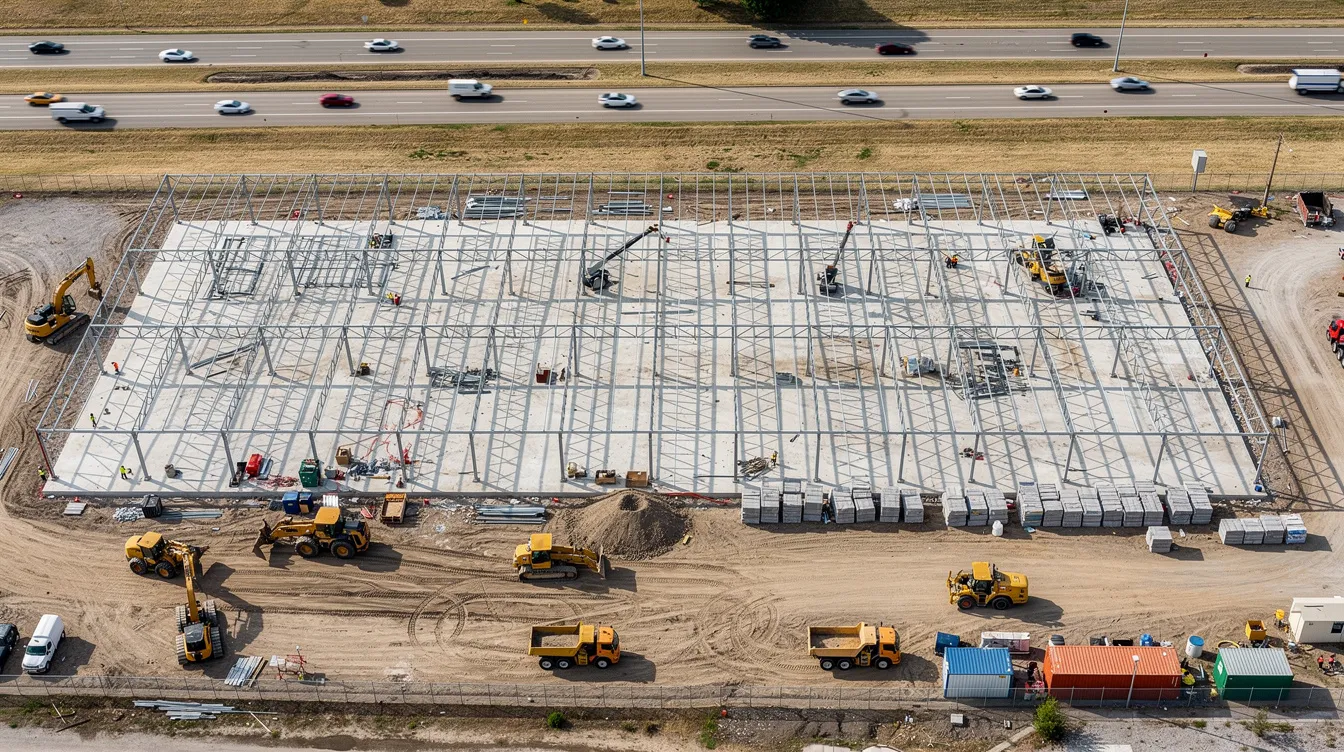
Lehigh Valley: Industrial, warehouse, and logistics projects along the I-78 corridor can require major early commitments for sitework, steel, concrete, or equipment packages. Contractors may face a front-loaded cash burden before billing catches up, especially if large material purchases or labor-heavy scopes hit in the first several weeks.
Northeast Pennsylvania: Projects around Scranton and Wilkes-Barre may involve longer travel, dispersed field operations, and owner payment habits that vary more by customer and project type. That makes historical customer data especially important when projecting realistic collection timing.
Across all three submarkets, the lesson is the same: build projections from actual payment behavior where possible, not ideal assumptions. An internal record of days-to-payment by owner, GC, or project type can make the next forecast far more reliable.
Treat a weekly cash review like any other core operating rhythm. Contractors benefit from updating cash projections regularly during active work so payroll timing, billing status, and expected receipts stay connected.
Most firms can start with a rolling 13-week cash forecast updated each week. Each active project feeds into a consolidated company view. Participants typically include owners or senior leaders making go-or-no-go and financing decisions, project managers or estimators updating cost and billing expectations, and accounting staff reconciling actual receipts against forecasted ones.
The weekly routine in practice:
Pick a consistent review day, such as Thursday afternoon, so the company can act before the next payroll or payable cycle. Technology can help here, whether that means a disciplined spreadsheet or more formal accounting and forecasting software. The real benefit is not fancy modeling. It is better visibility, cleaner records, and faster correction when timing changes.
Imagine a contractor with a February 2027 school renovation in Bucks County. The weekly cash projection shows that an expected January retainage release will likely slide into March, opening a gap in the forecast period. Without a weekly review, that problem may only become obvious when the bank balance drops.
Steps to improve cash inflow:
Financing-side options:
Do not respond to a cash gap by delaying payroll or weakening safety-related spending. Those moves trade a known financial problem for larger operational and legal ones. Instead, review what the forecast is showing, act on collections and financing early, and use the lesson to tighten payment terms and documentation discipline on the next contract.
Use this checklist before committing to a new project in Philadelphia, the Lehigh Valley, or Northeast Pennsylvania:
Used consistently, this checklist turns cash flow from a reactive accounting issue into a preconstruction operating decision. ABC Eastern Pennsylvania’s management education and peer network can help member firms refine these habits across different project types and markets.

Disciplined construction cash flow management supports broader operational strength. Owners should treat cash forecasting as a management competency, not something that lives only with a controller or outside accountant. Estimators, project managers, and future leaders all need to understand how payroll timing, billing discipline, retainage, and collection habits affect whether a job is truly fundable.
That matters in a region where firms may be balancing institutional work around Philadelphia, industrial and logistics work in the Lehigh Valley, and varied project conditions across Northeast Pennsylvania. The contractors that consistently map and manage the cash gap between payroll and collections are better positioned to grow without overextending. Financial control is not separate from operational excellence. It is part of it.
The heart of construction cash flow management is simple: map the timing gap between cash out and cash in before mobilization, project by project. Profit does not guarantee liquidity. Weekly cash projections reveal the real funding need. Disciplined billing, documentation, and financing decisions also help prevent a profitable-looking backlog from becoming a cash squeeze.
Choose one upcoming project and build a basic cash flow projection this month. Commit to a weekly review rhythm for the rest of the quarter. Then connect with ABC Eastern Pennsylvania for management education, peer learning, and advocacy resources to strengthen both your cash-flow practices and your competitiveness across the Eastern Pennsylvania market.


