


Construction career pathways in Eastern Pennsylvania often begin with an earn-and-learn model. For students, veterans, and career changers, that means paid work paired with structured training, not just a brief job shadow or a generic summer job.
Construction Executive reported on a 2026 Los Angeles County skilled-trades summer program that gave more than 800 high school students paid, hands-on exposure to trades such as carpentry, electrical, plumbing, welding, and solar installation. That national example matters here because it shows how early paid experience can move students from curiosity to a real construction career pathway.
In Eastern Pennsylvania, ABC Eastern Pennsylvania supports related workforce development and apprenticeship pathways through its workforce development programs and apprenticeship training program. For contractors, educators, parents, and career seekers, the practical question is not whether earn-and-learn works in theory. It is how to connect that model to real construction careers across Philadelphia, the collar counties, the Lehigh Valley, and Northeast Pennsylvania.
Eastern Pennsylvania contractors need stronger ways to connect new people to the trades. Healthcare, institutional, logistics, infrastructure, and commercial work across the region all depend on a reliable flow of trained craft professionals. At the same time, many students and families want career options that lead to paid work and recognized training without first requiring a traditional four-year degree.
That is why earn-and-learn matters. It gives employers a practical recruiting model and gives future workers a clearer view of what construction work actually involves.
Earn-and-learn in construction has a specific meaning. It refers to paid work combined with structured skill development. Participants are not just observing. They learn how construction jobs operate, how safety expectations shape the work, and how trade skills develop over time.
In a construction setting, earn-and-learn usually includes several elements:
That is what separates it from a casual internship. A real earn-and-learn model is tied to skill development and career progression. It introduces construction expectations early: attendance, professionalism, safety awareness, teamwork, and the ability to learn in the field.
Earn-and-learn works best when it is part of a larger system. In construction, that system usually starts with career exposure, grows into work-based learning or pre-apprenticeship, and then leads into registered apprenticeship or craft training.
That progression matters because interest alone does not build a workforce. People need a visible path from first exposure to real employment.
A typical pathway may look like this:
This is where the earn-and-learn idea becomes more than a one-season program. It becomes the front end of a longer construction career pathway.
Registered apprenticeship is one of the clearest earn-and-learn models in the construction industry. It combines paid work experience with structured instruction, progressive skill development, and a recognized credential.
That structure matters for contractors because it lets them train future workers while they already contribute on the job. It also matters for students and career changers because they earn pay while building skills that have value beyond one employer.
ABC nationally presents work-based learning and government-registered apprenticeship as part of its workforce strategy. That national framework aligns closely with what contractors in Eastern Pennsylvania need: a practical bridge between early interest and long-term craft development.
ABC Eastern Pennsylvania supports construction career pathways through workforce development, craft training, and registered apprenticeship. According to the chapter’s training information, the ABC Eastern Pennsylvania Apprenticeship Trust has offered registered apprenticeship and craft training since 1967, and its apprenticeship programs are registered with the U.S. Office of Apprenticeship and the Pennsylvania Department of Labor.
The chapter serves 17 counties across Eastern Pennsylvania and offers training in ten trade areas:
For readers trying to understand the local value of earn-and-learn, that matters. The region already has apprenticeship infrastructure, industry relationships, and workforce-development programming that can help turn initial interest into a more formal training path.
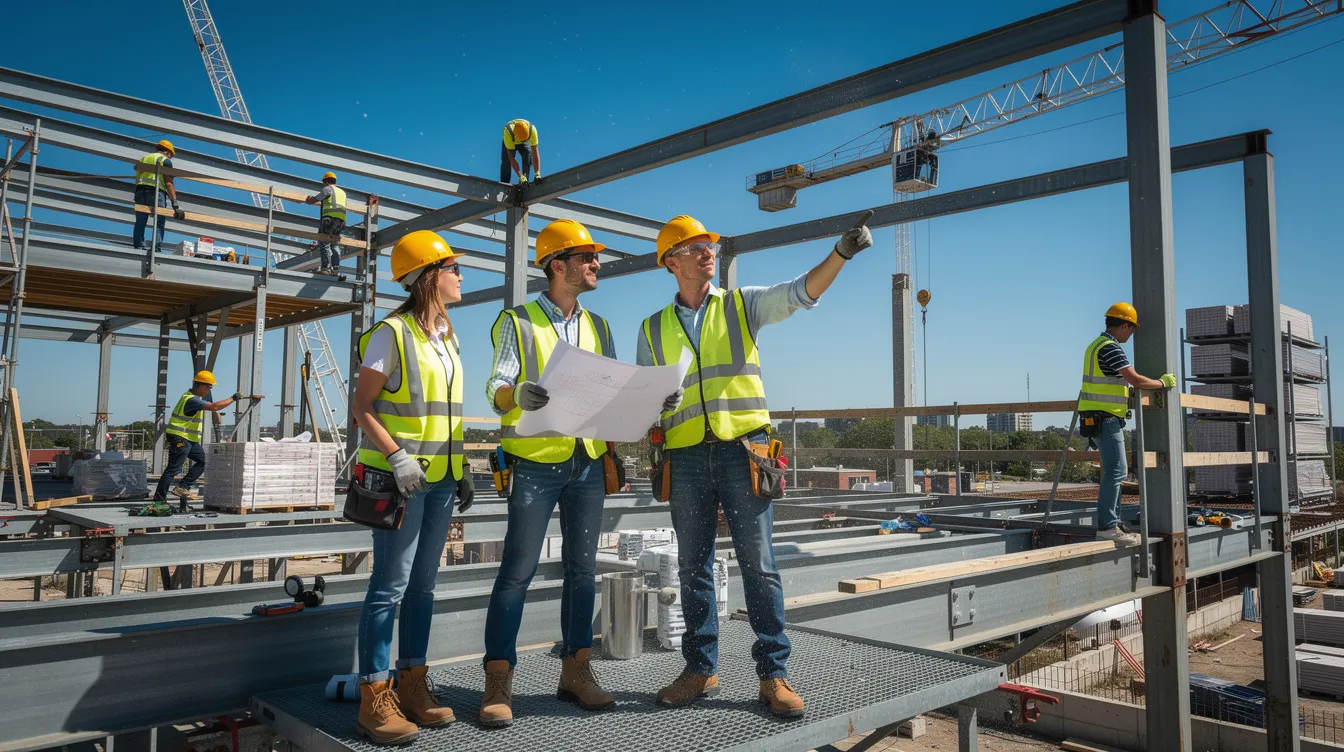
One practical strength of ABC Eastern Pennsylvania’s system is that it does not assume every learner starts from the same place.
Registered apprentices are employed by a sponsoring contractor and complete classroom training, hands-on learning, and on-the-job training as part of a registered program. As they progress, they move toward journeyperson status and scheduled wage increases.
Craft trainees can build skills before moving into a sponsored registered apprenticeship. That makes the path more accessible for people who are still securing an employer relationship or who want to strengthen their readiness before entering a registered track.
For an earn-and-learn article, this distinction helps because it shows construction career pathways are not all-or-nothing. Some people enter directly through employment. Others need a bridge first.
Many construction career pathways start with early exposure, technical education, and work-based learning before graduation. For students and parents in Eastern Pennsylvania, the practical takeaway is straightforward:
That kind of planning can help students move from curiosity to a real starting point instead of waiting until after graduation to begin from scratch.
Construction career pathways are not limited to teenagers. Adults changing careers often bring traits the industry values: reliability, work ethic, teamwork, and problem-solving under pressure. Veterans may also bring technical experience, leadership, and familiarity with structured training environments.
For these groups, earn-and-learn is often appealing because it combines income with forward movement. Instead of pausing work completely to retrain, many candidates can pursue a pathway that leads into employment and skill development at the same time.
Useful first steps include:
This is one reason earn-and-learn remains a strong construction workforce model. It serves more than one age group. It can support multiple entry points into the same industry.
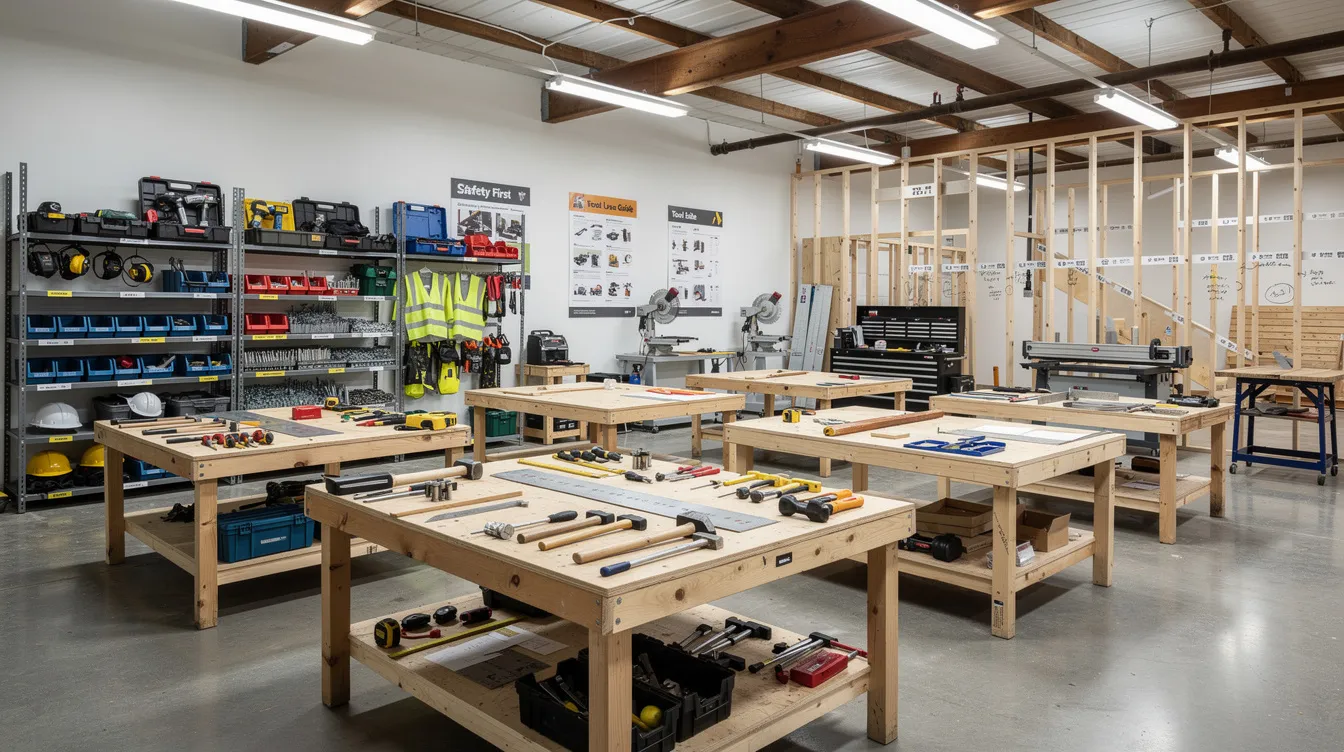
The strongest earn-and-learn programs are coordinated. Contractors, educators, and families each have a role in turning interest into action.
For contractors:
For schools and educators:
For students, families, and career seekers:

An earn-and-learn experience is not the end goal. It is the front door. The larger opportunity is a long-term construction career that can grow into field leadership, supervision, project support, estimating, safety, or business leadership over time.
ABC Eastern Pennsylvania also offers career development training, which helps illustrate that the pathway does not stop at initial trade entry. For the right candidate, construction can begin with basic exposure and continue into a durable, advancing career.
That is why the approved source topic matters so much locally. A paid summer experience or other early earn-and-learn opportunity may seem small in the moment, but it can shape whether a future worker ever takes the next step into the trades.
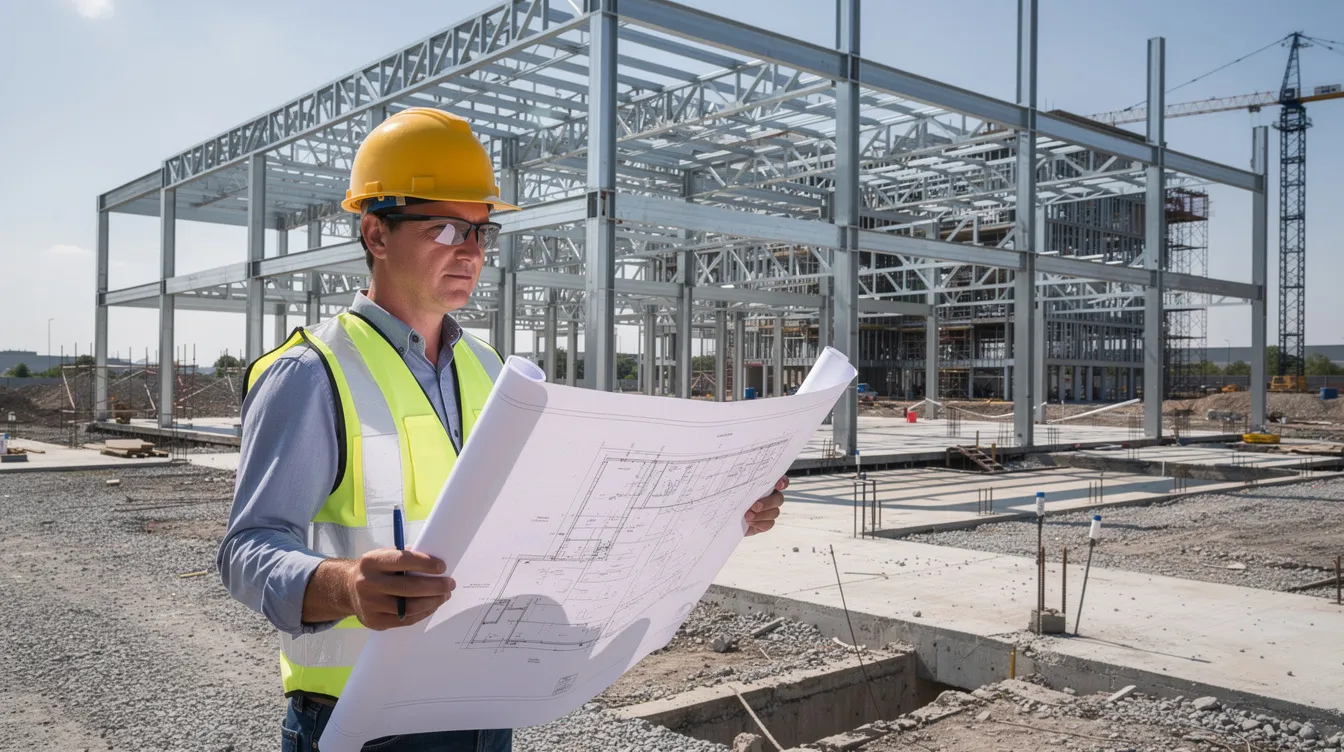
Earn-and-learn is one of the clearest ways to turn interest in the skilled trades into a real construction career pathway. It gives students and new entrants paid exposure, structured learning, and a visible next step. It gives contractors a better recruiting and development model than waiting for talent to appear fully formed.
For Eastern Pennsylvania, the opportunity is not to copy one national program line by line. It is to apply the same practical principle locally: connect paid experience, workforce development, and registered apprenticeship so more people can move into construction careers with purpose.
ABC Eastern Pennsylvania already supports key parts of that system through workforce development, apprenticeship training, and ongoing career development. For contractors, educators, parents, and career seekers, the next move is simple: treat earn-and-learn as the beginning of a real pathway, then connect it to the regional training infrastructure that already exists.


