


Constructability steel delivery coordinates design, fabrication, construction sequence, and logistics that must be resolved before structural steel reaches the jobsite. It is the difference between an erection crew that starts picking steel on arrival day and one that watches a crane sit idle while everyone scrambles to figure out where the first column goes.
In Eastern Pennsylvania, geography shapes the stakes. A Center City Philadelphia infill project may have room for exactly one truck at a time on a narrow side street. A hospital addition in Montgomery or Bucks County may share its only access road with active patient traffic. A 500,000-square-foot distribution center along I-78 in the Lehigh Valley or I-81 in Northeast Pennsylvania may need 60-foot girders delivered in a sequence that matches a crane working bay by bay across a quarter-mile footprint. None of these projects can absorb the cost of steel showing up before the site, drawings, and erection sequence are ready.
When that happens, general contractors pay for crane idle time, rework, and safety hazards that shouldn’t exist. OSHA’s Subpart R (29 CFR 1926) requires the controlling contractor to confirm site layout, construction sequence, and site preparation before steel erection begins, and to plan fall protection systems and temporary bracing well before any delivery. This article gives merit shop general contractors and project managers a field-ready checklist they can use with fabricators, erectors, and owners before the first truck is released. ABC Eastern Pennsylvania sees pre-delivery planning as inseparable from the safety culture, open competition, and project outcomes that define strong contractors across the chapter’s 17 counties.
Constructability focuses on integrating construction knowledge early in design so that what gets drawn can actually be built safely and efficiently. Constructability reviews typically occur when designs are 40–60% complete, giving teams time to catch problems before they become embedded in shop drawings and fabrication schedules. Constructability analysis ensures projects are feasible within design parameters, and constructability principles help avoid delays and cost overruns that erode margin.
Applied to structural steel delivery, constructability means matching member sizes, splice locations, and bolted connections to real crane access, rigging hardware, and the planned erection sequence on a specific site. This is not value engineering. Reducing tonnage is not the same as making sure a steel beam can be picked, swung, and connected where the project schedule says it needs to go.
Successful constructability relies on collaboration among project stakeholders. Before releasing steel, ask:
On large-scale projects, implementing constructability for steel delivery should link to broader tools like construction sequence simulations rather than live improvisation in the field.
Fabricators are planning partners, not just suppliers. On constrained Eastern Pennsylvania jobsites, the fabricator’s input on sequencing, loading, and connection details directly determines whether the steel erection project proceeds smoothly or stalls on day one.
AISC maintains guidelines on delivery sequencing and fabrication coordination for steel structures, and those guidelines reinforce what experienced project managers already know: the GC should request specific information at least six to ten weeks before the first delivery.
Minimum pre-delivery information from the fabricator:
Shop drawings need to clearly show field-weld locations, bolted connection details (bolt diameter, grade, length, and tensioning requirements), and camber so site teams can plan for tolerances and shimming. Connection design impacts how quickly steel can be secured during installation. Bolted connections are faster to install than welded connections, and high-strength bolts are commonly used in steel connections. Slip-critical connections require bolts to be fully tensioned to specified torque values. Riveted connections are mostly found in older structures and are rarely part of new fabrication. Field welding is used for connections needing higher strength, but it requires hot-work permits, qualified welders, and more time at height.
Fabricators should flag constructability concerns early: a steel beam segment whose weight exceeds crane pick capacity, connection geometry that will be difficult to bolt at height, or camber that conflicts with anticipated deflection. Best practices for steel delivery include sequence-based loading to avoid site clutter, so members needed for first-tier stability, braced frames, and initial connection points for fall protection arrive on the first trucks, not the last.
Coordinating steel delivery with crane operations is essential for successful execution. Before the first truck rolls, sit down with the fabricator and walk through the construction sequence and delivery staging using project management software and model views.
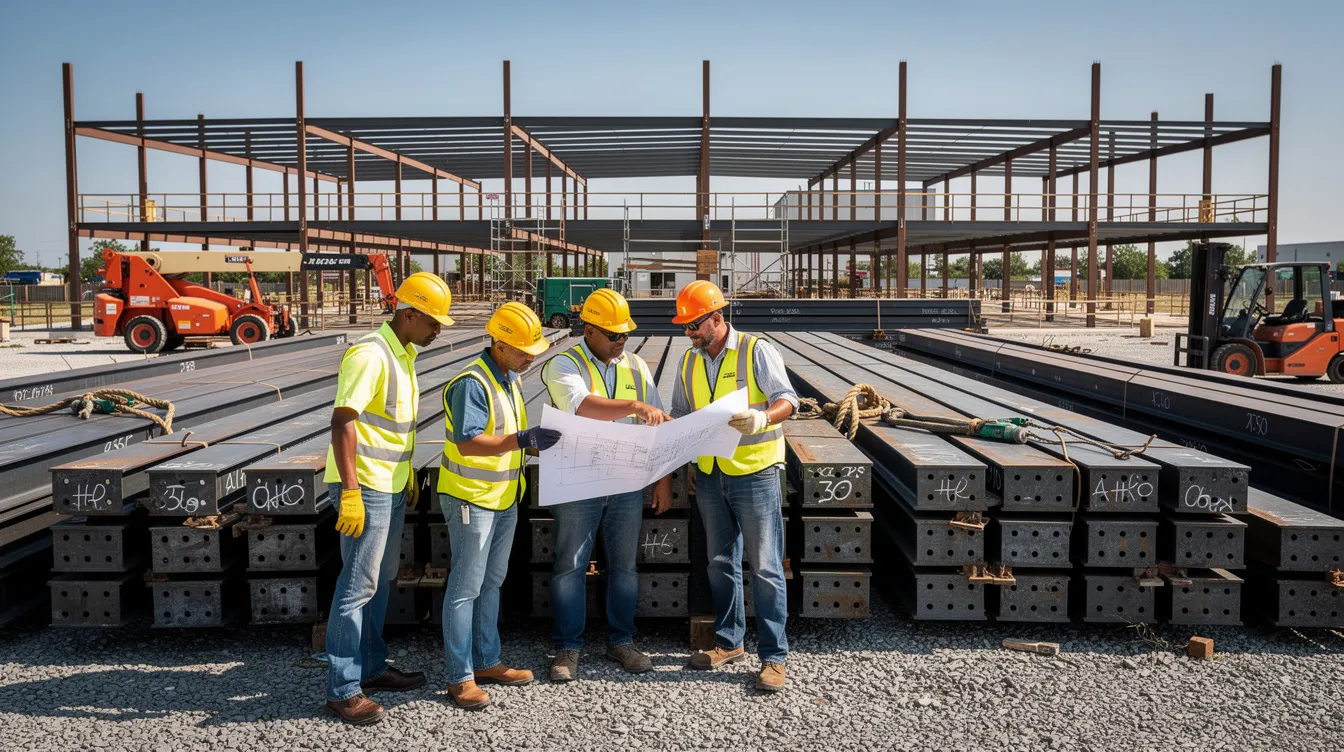
Under OSHA 29 CFR 1926.752, the controlling contractor (typically the general contractor) must confirm several conditions in writing before steel erection begins. These are not suggestions. They are obligations that, if missed, can stop a project cold.
Before crews arrive, confirm:
These requirements ensure construction begins on a prepared site, not one where pressure from an arriving truck forces the team to “start anyway.” Site conditions like drainage problems, mud, and winter frost need evaluation well before the first delivery is scheduled. For projects outside major corridors, remote or hillside sites introduce different but equally serious access challenges that merit the same discipline.
Construction sequencing organizes project activities for efficiency, and the erection sequence is the specific order in which crews pick, place, and connect steel members. Steel deliveries must follow both. A construction sequence plan consolidates project information into one document, allowing teams to see how steel fits alongside concrete, MEP, enclosure, and other trades.
A typical multi-story erection sequence proceeds as follows: verify foundations and anchor bolts, erect first-tier columns, set beams and girders, install temporary bracing for structural stability, place metal decking, and move to the next tier only when the completed section can carry loads. Construction sequencing directly impacts jobsite safety and efficiency at every step.
Steel deliveries cannot be treated as generic bulk shipments. They must be timed so material deliveries match the actual erection sequence, allowing teams to pick members directly from the truck or from a pre-staged position without re-handling. Schedule optimization prevents bottlenecking caused by early or late steel deliveries. Just-in-time delivery synchronizes with the erection crew’s daily capacity and crane availability, reducing double-handling and keeping laydown areas clear.
Proper sequencing reduces delays and avoids costly rework. When critical members arrive on a later truck, erection stalls, temporary bracing plans become inadequate, and improvised fall protection replaces engineered solutions. Identifying task dependencies is crucial for effective construction sequencing: if a braced frame must be complete before decking crews can work, the steel for that frame cannot be on truck number four.
Integrate steel delivery milestones into lookahead schedules. A three-week lookahead inside project management software gives the team time to communicate sequencing adjustments to fabricators before trucks are loaded, keeping the entire project on track.
On tight urban lots in Philadelphia or limited-footprint warehouse sites in the Lehigh Valley, laydown planning is often the bottleneck long before the crane arrives. Without a safe place to stage and sort steel, even a perfectly sequenced delivery creates chaos.
Key layout decisions before delivery day:
Site access planning includes establishing weight-rated transit routes and staging areas. Logistics planning addresses transportation limitations based on steel dimensions and weights, including permit requirements for long or overweight loads on Pennsylvania roads. In Eastern Pennsylvania, steep grades, tight alley access, winter mud, and snow storage can all encroach on planned staging areas.
In dense areas, coordinate delivery windows with local authorities. Delivery timing must reflect neighborhood restrictions, school traffic patterns, and any street-use permits. On remote Northeast Pennsylvania projects, rough access roads and fewer nearby fabricators create different constraints that demand equally rigorous advance planning.
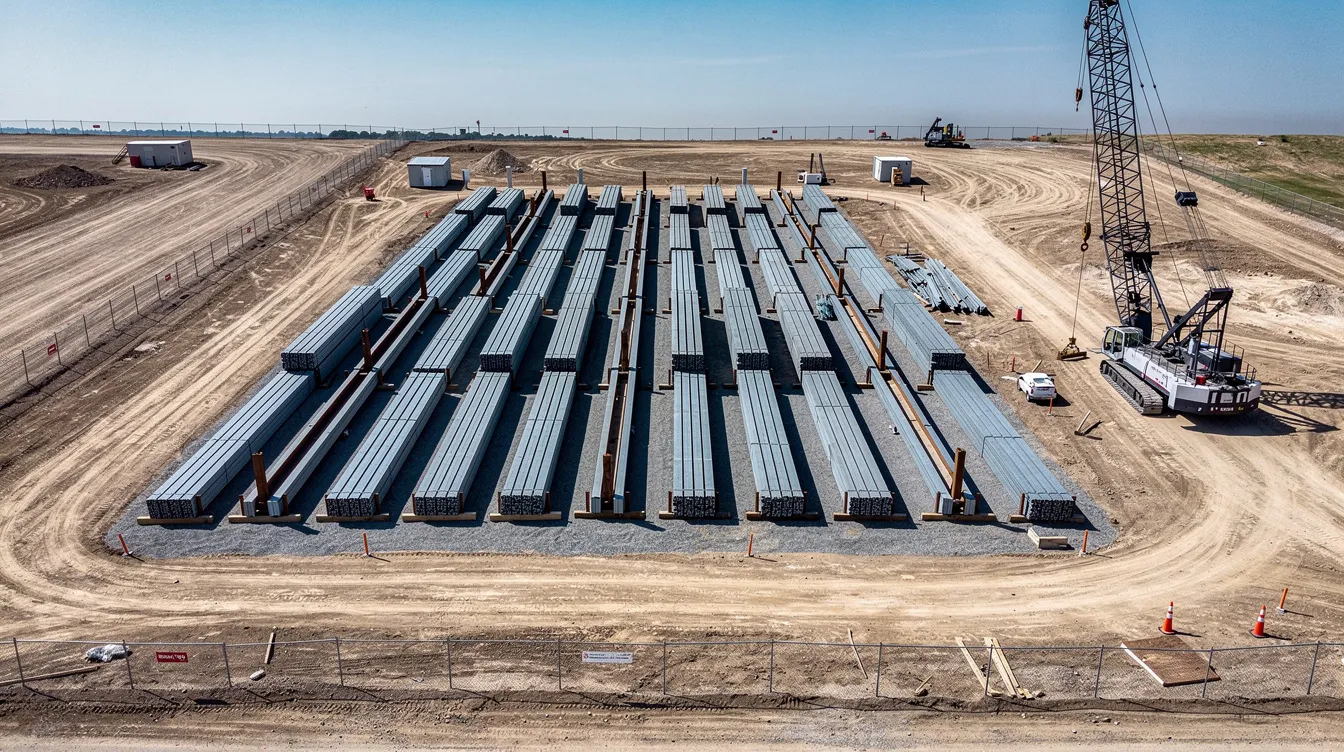
Many OSHA Subpart R requirements for site layout, hoisting, and fall protection can only be met if planned before steel arrives. Proper delivery planning improves site safety by reducing frantic rigging needs when material arrives before preparation.
Safety risks that increase on an unprepared site:
Plan fall protection systems in advance: identify anchorage points available in the first erection sequence, order horizontal lifelines or beam clamps sized to specific steel sections, and define controlled decking zones where applicable. Fall protection procedures must be established before erection begins, not improvised after crews arrive.
A pre-delivery hoisting plan should identify crane placement, lift paths, no-access zones under suspended loads, and communication protocols between signal persons and operators. Pre-plan all hoisting operations so employees do not work directly below suspended loads, except in narrow, permitted circumstances.
Coordinate temporary bracing and stability measures from the site-specific erection plan. Temporary bracing prevents progressive collapse during erection and must be in place before the structure can support its own weight and construction loads. Involve the safety director early so that fall protection training aligns with the planned erection sequence, reducing safety risks across the steel erection project.
Picture this: a flatbed arrives at a Lehigh Valley warehouse site at 6:30 a.m. The crane pads are incomplete because last week’s rain turned the laydown area into mud. The operator cannot set outriggers on stable ground. The delivery truck idles. The erection crew stands by. Does this sound familiar?
Common failure modes:
The cost impacts are real: crane idle days at thousands of dollars per day, re-fabrication or field welding that was never budgeted, extended rental of material handling equipment and rigging hardware, and cascading delays in the construction sequence for MEP and enclosure trades. Every day the steel schedule slips, other trades’ timelines slip with it.
Safety implications compound the cost: more fall-protection violations, higher risk of structural instability without proper temporary bracing, and elevated struck-by risks from improvised storage. For merit shop contractors competing in a dense Eastern Pennsylvania market, these failures carry reputational weight alongside financial loss.
Project management software is essential for coordinating fabrication, shipping, construction sequence, and site readiness across the entire project. Without a shared platform, communication gaps between office, fabricator, and field multiply.
Track these project data points in your platform:
Effective inspection and material tracking processes ensure quality and timely deliveries. Standardized piece marking and digital tracking improve visibility of steel transit status, allowing teams to confirm what is on each truck before it leaves the shop. Material identification and traceability minimize the risk of installing incorrect steel members, which can lead to costly rework and schedule disruption.
Tools like Autodesk Construction Cloud and similar platforms enable real-time coordination where field supervisors can log delivery conditions, site conditions, and safety risks on mobile devices, enabling quick decisions about accepting or deferring a shipment. Even smaller Eastern Pennsylvania contractors can implement disciplined workflows that connect the fabricator’s shipping schedule to the field team’s daily plan, driving cost efficiency and resource efficiency across the project.
Use this checklist before releasing any steel shipment. Adapt it to your internal procedures and project planning requirements.
Design and Constructability Review:
Site and Construction Sequence Verification:
Safety and Fall Protection Planning:
Logistics and Delivery Coordination:
Cold Weather and Site Conditions:
Hold a pre-delivery coordination meeting two to four weeks before the first delivery, with the general contractor, fabricator, steel erector, structural engineer, safety lead, and key subcontractors present. Regular coordination meetings before and during steel deliveries keep the team aligned as site conditions change.
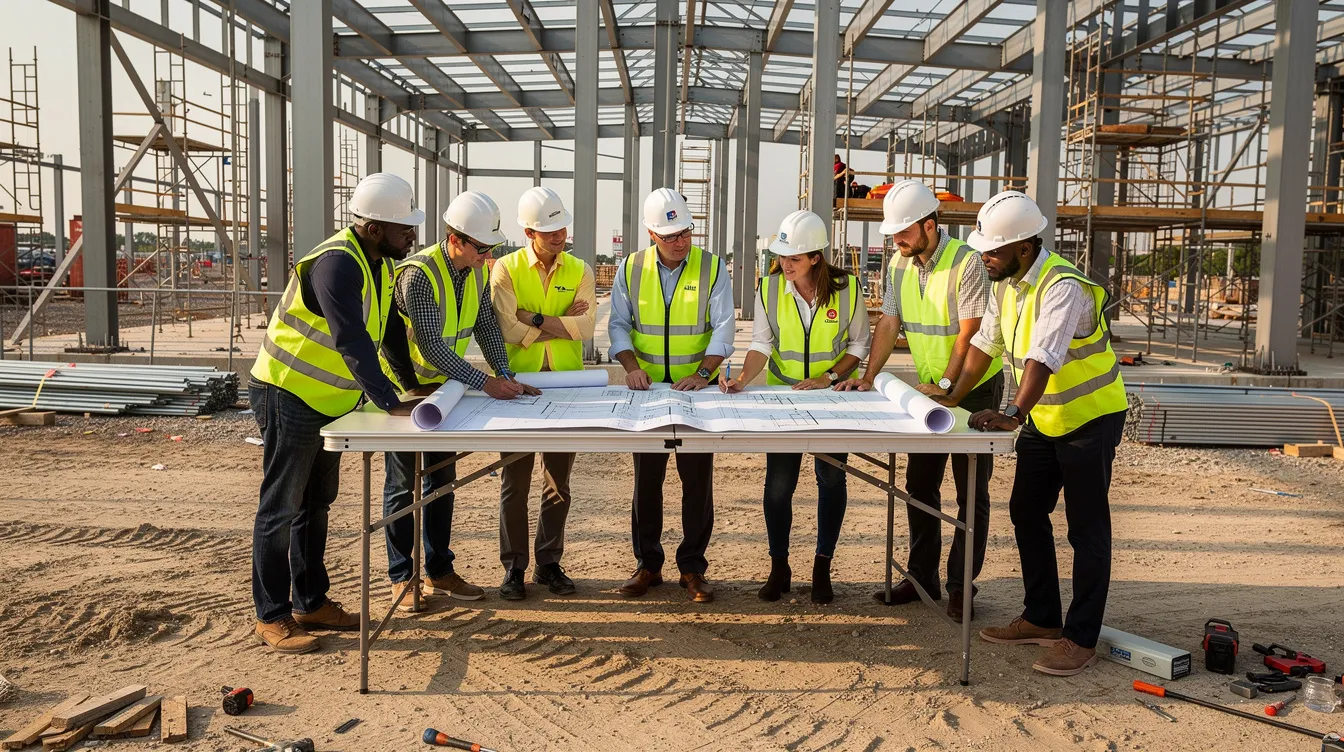
Pre-delivery coordination is where safety culture and project planning intersect. ABC Eastern Pennsylvania’s participation in safety programs, including the ABC-OSHA Partnership and STEP, helps member firms build the discipline needed for steel erection site preparation that meets both regulatory and competitive standards.
The chapter’s management education, safety consulting, and workforce development programs train supervisors and crews in steel erection, fall protection procedures, and construction sequence planning, so teams show up prepared rather than reactive. In a construction industry where labor constraints make every crew day valuable, that preparation translates directly to cost savings and project credibility.
Explore related chapter resources on construction risk management for isolated jobsites, MEP coordination with BIM to reduce rework, and temporary bracing after the near-collapse that reinforced the importance of stability planning on Eastern Pennsylvania projects.
The next structural steel delivery on your project schedule is already in motion. Review the checklist above, run through it with your team before breaking ground on erection, and engage your fabricator and erector early. The cost of waiting until steel is on the road is measured in idle cranes, exposed workers, and margin you will not recover.


