


For construction firms across Eastern Pennsylvania, revenue recognition is not a back-office technicality. It is a decision that shapes every conversation you have with your bank, your surety, your project owners, and your own leadership team. Understanding completion method revenue recognition and when it serves your firm (or holds it back) is one of the clearest competitive advantages a contractor can build heading into 2027.
Completion method revenue recognition means your firm records construction revenue and profit only when a project reaches substantial or full completion, rather than recognizing it progressively as work is performed. This contrasts with the percentage-of-completion method, which tracks revenue as work progresses over the life of a contract. Both approaches are legitimate under generally accepted accounting principles, but they produce dramatically different financial pictures at any given point in time.
For contractors operating in Philadelphia, the collar counties, the Lehigh Valley, and Northeast Pennsylvania, this policy choice directly influences cash flow management, bonding capacity, lender confidence, and how credible your financials appear when you are pursuing public and private work. The completion method can simplify reporting on shorter or less predictable jobs, but it can also mask performance and create earnings volatility on larger or longer contracts.
Regardless of the revenue recognition method you use, reliability depends on accurate cost tracking, accurate costs incurred data, realistic cost estimates, and disciplined job-cost controls. Without those foundations, neither completion method nor percentage-of-completion will give you an accurate financial picture. About Us supports leaders working to strengthen that discipline through training programs for contractors and management education for leaders, resources that connect financial decision-making to field execution across the region.
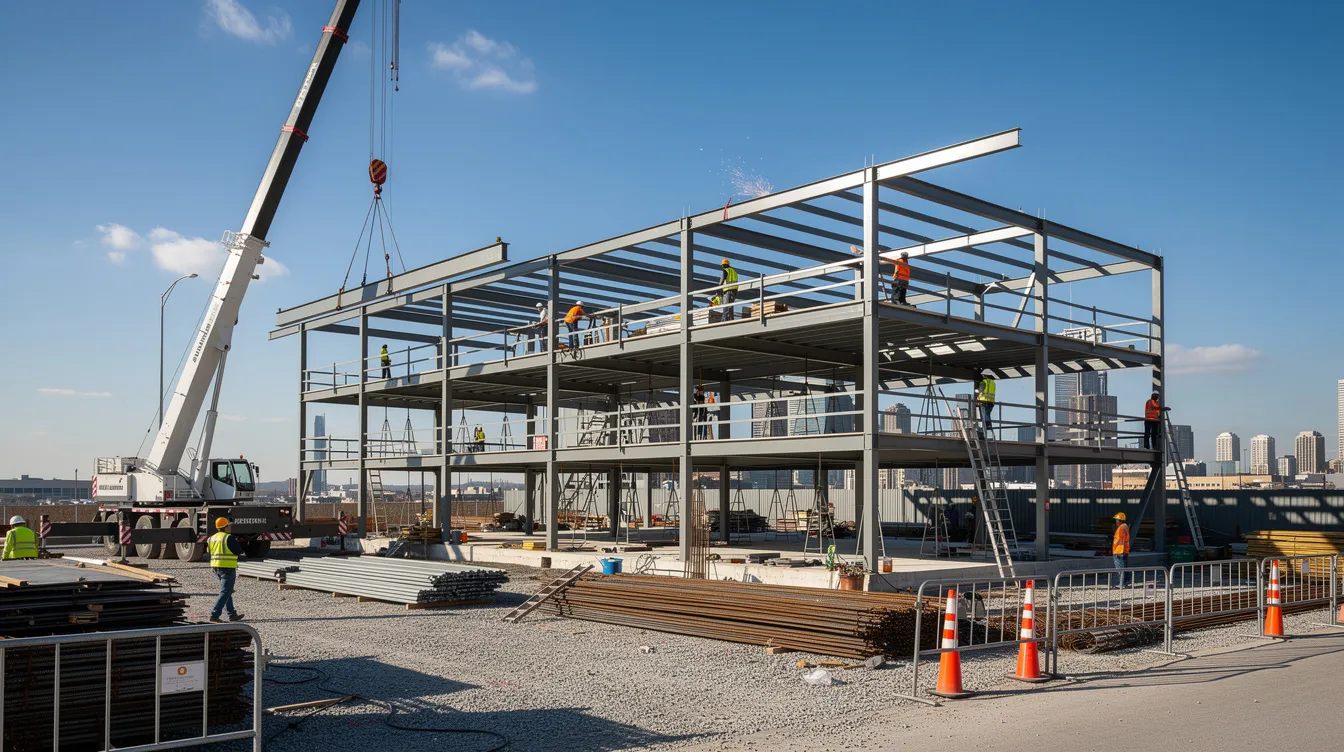
Consider two general contractors in Montgomery County with similar revenue, similar headcounts, and similar backlogs. One uses completion method accounting and defers all profit recognition until jobs close out. The other uses percentage-of-completion with a cost-to-cost approach and reports margin as work progresses. When both firms sit down with a surety or a bank, they look like completely different companies. One shows steady earnings and a visible backlog. The other shows lumpy profits and a balance sheet loaded with deferred costs. Neither set of numbers is wrong, but the story each tells is profoundly different.
That difference matters when you are bidding hospital work in Philadelphia, warehouse projects along the I-78 corridor, or school renovations in Bucks County. Under the completed contract method, no revenue is reported while the project is in progress, and financial statements may show low cash flow until project completion. Meanwhile, earnings reported under the completed contract method may not reflect actual performance because revenue recognition is delayed.
Here is where completion method revenue recognition becomes a leadership issue:
Owners, CFOs, and project executives must understand what their financial statements are actually showing. ABC Eastern Pennsylvania’s management education for leaders helps translate technical accounting choices into practical field and estimating decisions, without turning executives into CPAs.
The completion accounting method is straightforward. Your firm accumulates all project costs (labor, materials, subcontractors, overhead) on the balance sheet, typically in a Construction in Process account that tracks all project-related costs. Revenue and gross profit are recognized at a point in time, usually when the project reaches substantial completion or the owner accepts it. The completed contract method simplifies accounting by avoiding complex percentage-of-completion calculations and aligns revenue recognition with a single performance milestone at project completion. The company recognizes final revenue and expenses at once when the project is finished.
This approach fits certain construction scenarios well. Think of short-duration tenant fit-outs in Center City Philadelphia, discrete mechanical replacements in Montgomery County schools, or small design-build projects for local manufacturers along the I-78 corridor. In each case, costs incurred during the project are held on the balance sheet as work-in-progress until the job closes.
Here is a concise numerical example using realistic regional figures. Suppose a $750,000 mechanical project in Allentown runs from March to November 2027, with total estimated costs of $600,000 and an expected profit of $150,000:
| Completion Method | Percentage of Completion (by June, $150K costs incurred) | |
|---|---|---|
| Revenue recognized by June | $0 | $187,500 |
| Gross profit recognized by June | $0 | $37,500 |
| Revenue recognized at project completion (November) | $750,000 (total revenue) | Remaining balance |
| Profit recognized at completion | $150,000 (entire project) | Remaining balance |
Under the completion method, your income statement stays flat until November, then records the full contract price and all project costs in one period. Under percentage of completion, revenue recognized equals the percentage complete multiplied by total expected revenue, spreading financial progress across the project timeline.
Current standards like ASC 606 still allow completion-style “point in time” revenue recognition when performance obligations are satisfied at or near project completion, not just progressively. The completed contract method defers revenue recognition until project completion, and this remains a valid approach under defined circumstances.
Most commercial construction firms rely on the percentage-of-completion method or cost-to-cost approach for long-term contracts, but completion method revenue recognition remains relevant for certain contract types and company profiles. Understanding the contrast is essential for making informed decisions.
Key differences:
The completed contract method is a specific, more extreme version of completion-style recognition that defers all construction revenue until project completion. For contractors with large backlogs, this can distort interim financials and make it harder to reflect the company’s financial performance accurately.
When should you ask your CPA for a review? If your contract mix is shifting toward longer durations, if your bonding needs are increasing, if your lender is asking questions about margin trends, or if you are considering bidding larger public work that will span multiple accounting periods.

Method choice should align with contract size, duration, risk profile, and the owner’s expectations across your markets. In Philadelphia, the Lehigh Valley, and Northeast Pennsylvania, those factors vary widely depending on whether you are running service work, small capital projects, or multi-year public contracts.
Completion method can be suitable when:
The completed contract method is preferred when reliable project cost estimates cannot be made, and it is ideal for high-uncertainty projects where early cost projections would be unreliable. However, under modern standards and international financial reporting standards, the completed contract method is restricted for long-term projects unless progress cannot be reliably measured. Companies that use the completed contract method may face regulatory restrictions under GAAP or IFRS, and the IRS requires the percentage-of-completion method for long-term construction contracts not completed within a year.
The completion method is generally not appropriate for multi-year public school renovations, hospital towers in University City, or DOT work along I-81 where owners and sureties expect percentage-of-completion style reporting and ongoing visibility into project performance.
Document your method selection in formal accounting principles and apply it consistently across similar jobs so that financial statements remain reliable and comparable.
Misaligned revenue recognition can make a contractor look profitable on paper while struggling to make payroll in Scranton or Allentown. Effective cash flow management requires an accounting method that matches your operational reality, not just your preference for simplicity.
Here is how disciplined tracking supports better outcomes:
The completed contract method can create earnings volatility due to the timing of revenue recognition, and it can obscure real-time project profitability during execution. Cleaner income statements and balance sheet presentations improve credibility in Responsible Contractor Ordinance reviews, prequalification packages, and owner interviews on both public and private work.
Modern construction accounting software and platforms give Eastern Pennsylvania construction firms real-time insight into project costs, but the software only works when field teams and project managers enter accurate data. Software development in this space has advanced rapidly, but the discipline behind the data remains a human responsibility.
Both completion method and percentage-of-completion fail without strong field controls, job-costing discipline, and consistent closeout procedures. Here are the core control areas every firm needs:
ABC Eastern Pennsylvania’s training programs for contractors and construction safety training offerings integrate into broader efforts to standardize processes, reduce rework, and keep construction projects on schedule and within budget, all of which feed directly into accurate financial reporting.
Public work in Eastern Pennsylvania, including school districts, municipalities, and state-funded projects, adds compliance layers that magnify the importance of accurate revenue recognition. When you are submitting documentation under Pennsylvania’s Prevailing Wage Act or responding to a Responsible Contractor Ordinance in a suburban district, weak job-cost reporting or inconsistent revenue recognition can trigger questions that cost you the bid.
Consider these connections:
The Toshiba scandal highlighted the risks of misusing the percentage method in ways that overstated financial performance, a cautionary example that reinforces why disciplined, transparent recognition matters for any contractor’s financial position and reputation.
Firms should also review how their workforce development pipeline, apprenticeship investments, and field supervision structures affect their ability to execute work on schedule, which directly feeds into reliable cost estimates and financial forecasts.
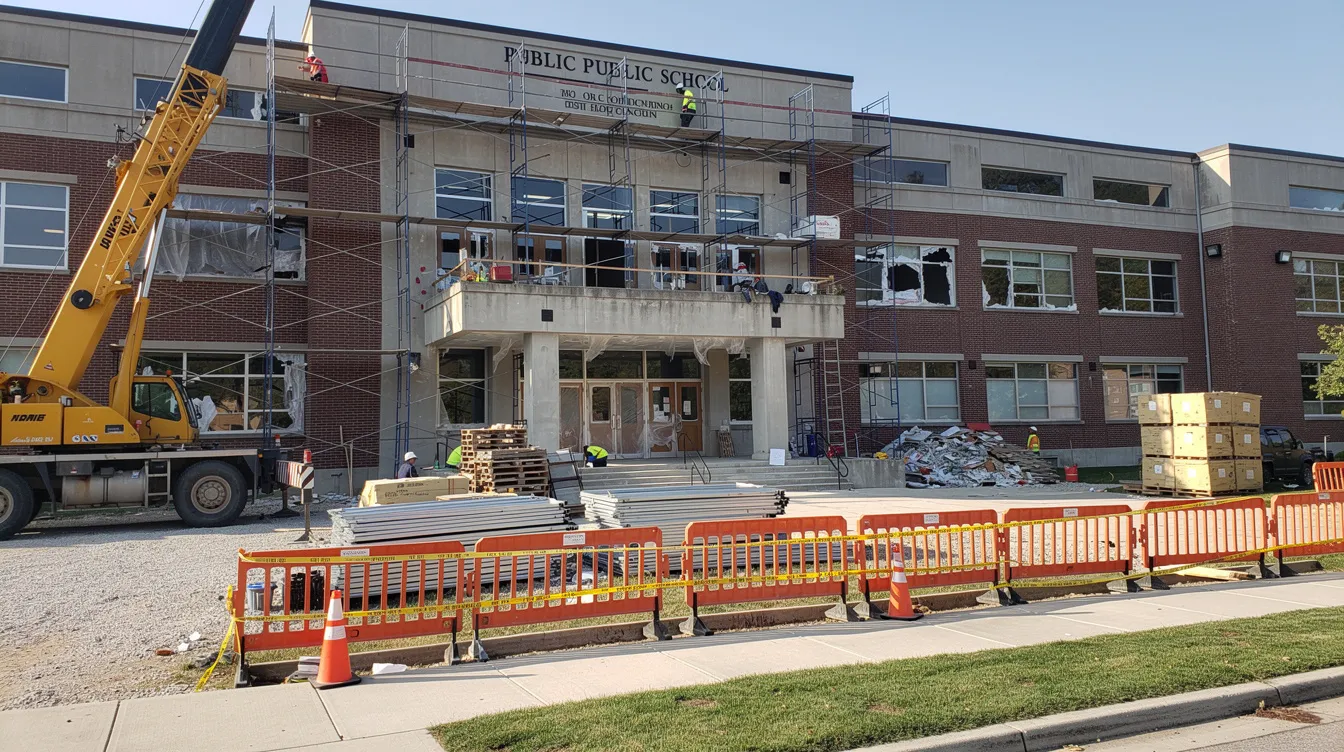
Completion method revenue recognition is not just an “accounting department issue.” It takes a team effort, requiring estimators, project managers, field leaders, HR, and safety professionals to share the same numbers and assumptions.
Key roles and responsibilities:
Regular internal WIP-style meetings, even for firms using the completion method, surface margin fade, labor productivity concerns, and change-order disputes early enough to address them. ABC Eastern Pennsylvania resources, including management education for leaders and broader member benefits and business support, strengthen internal financial literacy and leadership alignment across the region.
Engage outside advisors, such as construction-focused CPAs and surety partners, to stress-test your current revenue recognition practices against the realities of Eastern Pennsylvania markets.
Now is the right time for firms to reassess revenue recognition policies ahead of upcoming bid seasons and fiscal year-ends. The contractors who invest in this discipline today will be better positioned to win larger, more complex work across the region in 2027 and 2028.
Practical next steps:
Disciplined revenue recognition is not about making the books look pretty. It is about giving leaders in Eastern Pennsylvania the confidence to pursue more complex, higher-value construction business with clear eyes and stronger numbers. The firms that get this right will build the next generation of competitive advantage across this region.
The following questions address specific concerns Eastern Pennsylvania contractors frequently raise about completion method revenue recognition that go beyond the main discussion above.
Sureties care most about accurate, consistent financials and strong cash flow. The completion method can be acceptable when paired with detailed job schedules, clear backlog disclosure, and reliable cost histories that show your firm’s financial health. However, inconsistent or poorly documented use of the completion method can make it harder for sureties to see margin trends, which may limit single- and aggregate-bond capacity for public work in Philadelphia or state-funded infrastructure projects. If you rely heavily on bonding, ensure your financial reporting includes supplemental schedules that give sureties the project performance visibility they need.
Many construction companies do segment their construction business between service, small projects, and long-term contracts, using different revenue recognition methods for each stream. The key requirement is that you document the criteria for each revenue stream and apply methods consistently within those categories. Work with a construction-savvy CPA to design and document a mixed-method approach that complies with ASC 606, accounting principles, and tax rules while still giving management the visibility needed to record revenue appropriately across all parts of the company.
Key discussion points include your current contract mix, average project duration, reliance on bank covenants tied to specific balance-sheet ratios, the tax implications of switching methods, and how your existing accounting software will handle method changes and historical comparisons. Ask about transitional disclosures, how prior-year comparatives will be presented, and what training project managers may need so their cost reporting matches the new method. Changing from the completed contract method to the percentage of completion method (or vice versa) may also require IRS Form 3115 for tax method changes.
Your accounting method doesn’t change the timing of retainage or pay applications, but it does change when profit shows up on the income statement relative to those cash movements. A project’s cash flow reality may look very different from the financial progress your books reflect. Build separate cash flow projections that reflect retainage and pay-when-paid realities on school districts and municipal work, then align those projections with your completion-based or WIP-based revenue reports for a complete and accurate financial picture.
ABC Eastern Pennsylvania offers management education for leaders, training programs for contractors, and peer networks that help owners and executives strengthen both field operations and financial discipline. From construction safety training that reduces rework and schedule disruption to workforce development pipeline programs that improve project execution reliability, the chapter provides resources that directly support the operational foundations of accurate revenue recognition. Explore what ABC Eastern Pennsylvania offers, including member benefits and business support, to see how the chapter can support your overall business strategy and help your firm build a stronger financial position across every market you serve.


